
How To Make A Cheap Perfume Smell More Expensive And Complex?
A cheap perfume does not have to smell cheap. In many cases, the bottle is not the real problem. The routine is the problem. A budget scent can smell sharp, flat, or too simple when you spray it on dry skin, use too much, mix it with the wrong body products, or store it in a hot bathroom. The good news is that you can fix a lot of this with a few easy changes.
If you want your perfume to smell richer, smoother, and more polished, you do not need a luxury bottle right away. A perfume starts with a quick top note, then moves into a heart, then settles into a base. If you help that process, even an affordable scent can smell far more refined.
This guide shows you exactly how to do that. You will learn how to soften the harsh opening, add depth without making the scent messy, improve wear time, and build a result that feels personal.
In A Nutshell
- Prep matters more than price. Cheap perfume often disappears fast or smells thin because dry skin pulls scent away too quickly. If you apply perfume on clean, moisturized skin, the fragrance sits better and develops in a smoother way. This is one of the fastest fixes you can make at home.
- Wait for the dry down. Many budget scents smell sharp in the first few minutes because alcohol and top notes hit hard at the start. Give the perfume time to settle before you judge it. A fragrance that feels loud at first can become soft and elegant after ten to twenty minutes.
- Use fewer sprays in better places. More perfume does not create more luxury. It often creates noise. A small number of sprays on warm skin, and sometimes a light mist on fabric, can make the scent feel cleaner and more expensive. Precision beats volume every time.
- Layer with care. Unscented lotion, a light body oil, or one simple supporting note can add richness and improve wear time. The trick is to keep the blend clear. One support note works better than many competing notes.
- Storage changes the smell. Heat, light, air, and humidity can make perfume smell flat or sour over time. A cool, dark place protects the formula and helps the scent stay true. Even a good affordable fragrance can smell bad if the bottle is stored the wrong way.
- Your goal is depth, not strength. Expensive smelling perfume usually feels smooth, balanced, and calm. It does not rush at people. If you focus on softness, contrast, and a clean finish, your scent will feel more polished and more complex.
Why Some Cheap Perfumes Smell Flat Or Sharp
To make a cheap perfume smell expensive, you first need to know why some budget scents miss that rich effect. The usual issue is not that the fragrance is bad. The issue is that it smells too direct. You notice one bright note right away, but you do not get much depth after that.
Many lower cost perfumes lean on simple structures. You smell the lemon, the sweet fruit, or the loud floral very fast. Then the scent falls away before the deeper parts can create character. That is why some affordable perfumes smell fun at first but less polished later. The scent can feel thin, overly sweet, or too sharp.
Expensive smelling perfume usually feels smoother. The notes do not all arrive at once. They unfold in stages. That slow change is what people often read as luxury. A richer base also helps. Woods, musks, amber, vanilla, and resin can make a scent feel rounder and calmer.
Pros of understanding this problem are clear. You stop blaming the bottle alone. You start fixing the way the scent develops on your skin. Cons also exist. If a perfume is truly harsh from start to finish, no trick will turn it into a masterpiece.
Still, most affordable scents improve a lot with better use. If you can reduce the sharp opening, extend the middle stage, and support the base, the fragrance can smell far more expensive than its price suggests. You are not trying to fake a luxury brand. You are trying to create balance and depth.
Start With Clean And Moisturized Skin
If you want better performance from a cheap perfume, start with your skin. Perfume needs a good surface. Dry skin pulls scent in and lets it fade fast. That often makes a fragrance smell weak, rough, or too brief. Moisturized skin gives perfume something to hold on to.
The easiest method is simple. Shower, pat your skin dry, and apply an unscented lotion or a light body oil. Then spray your perfume a few minutes later. This slows evaporation and helps the fragrance unfold more gently. The result often smells fuller and lasts longer.
If you do not like lotion, try a tiny amount of plain body oil on pulse points only. You do not need much. Too much oil can make the perfume sit too heavily or change the way it opens. Keep it light.
Pros of this method are strong. It is cheap, easy, and works with almost any perfume style. It can improve both wear time and smoothness. Cons are worth noting too. Scented lotion can clash with the perfume and create a muddy effect. Heavy creams can also feel greasy in warm weather.
The safest move is to use a neutral base. That gives your perfume a clean stage. If your fragrance always smells better right after a shower, this is one reason why. Your skin is clean, warm, and hydrated. That helps the scent bloom instead of breaking apart.
A lot of people chase better perfume by buying more bottles. A smarter move is to improve the canvas first. Better skin prep often creates a more expensive smelling result than more sprays ever will.
Let The Opening Settle Before You Judge The Perfume
A cheap perfume often gets judged too early. The first few minutes can smell bright, alcoholic, or overly sweet. That does not always mean the whole scent is poor. It means the top is moving fast. If you want more elegance, give the perfume time to settle.
Spray the fragrance and wait at least ten minutes. If possible, wait twenty. During that time, the alcohol fades and the top notes soften. Then the heart and base start to show up. That later stage is where a perfume often smells smoother and more grown up.
This matters a lot with affordable scents because the opening can be the harshest part. If you smell only the first blast, you miss the best section. That can lead you to overspray or mix too many products, which often makes the final result worse.
Pros of this method are obvious. It costs nothing, and it helps you understand your perfume better. It also stops panic reapplication. Cons exist too. If you need a quick spray before leaving home, waiting can feel annoying. Some scents also stay linear, so the change may be small.
Still, this habit is useful. Test your perfume on skin, not just in the air. Smell it in stages. Ask yourself three simple questions. How does it open. What does it become after ten minutes. What stays after one hour. That is how you find the strongest part of the scent.
Once you know the perfume behaves best in the dry down, you can build your routine around that phase. That is where a budget scent often starts to feel more refined and less noisy.
Spray The Right Spots And Use The Right Amount
Placement changes perfume more than most people think. If you spray everywhere, the scent can become cloudy and loud. That often reads as cheap. If you spray the right places in the right amount, the fragrance feels calmer and more refined. Luxury usually feels controlled, not aggressive.
Start with pulse points. Good spots include the sides of the neck, the inner wrists, the inside of the elbows, and behind the knees if you want longer wear. These warm areas help the perfume move gently through the day. Heat helps the scent open in a natural way.
Use two to four sprays for most affordable perfumes. Start low. You can always add one more spray later. Do not rub your wrists together. That can flatten the opening and disturb the shape of the scent.
Pros of this method are simple. It improves projection, reduces waste, and makes the perfume smell more polished. Cons are also real. Too few sprays may feel weak with very light body mists or soft floral scents. You may need to test the amount over a few days.
A smart routine is to spray from a short distance that gives even coverage without soaking one spot. Then let the perfume rest. The goal is a soft scent trail, not a wall of perfume.
Many people think an expensive smell comes from power. In reality, it often comes from restraint. A scent that stays close, opens in waves, and leaves a clean impression often feels far more upscale than a scent that rushes into the room first. Use placement and amount as tools, not as guesses.
Use Fabric Carefully To Add Depth And Wear Time
Skin gives perfume life, but fabric can give it memory. A light mist on clothing can make a cheap perfume smell deeper and last longer. Fabric holds scent well, especially on coats, scarves, collars, and the inside lining of jackets. This can create a soft cloud around you that feels more expensive.
The key word is lightly. Do not soak fabric. One small mist from a safe distance is enough. Test a hidden area first, especially on delicate clothing. Some perfumes can stain silk, satin, or very pale fabric. Care matters here.
Clothing also changes the smell slightly. On skin, perfume reacts with heat and oil. On fabric, the scent can feel drier, cleaner, and more powdery. That can help a sharp perfume smell smoother. It can also help the base linger longer than it would on bare skin.
Pros of this method include longer wear and a more layered effect. Your perfume can feel present without being loud. Cons are important too. You may lose some of the full note development that happens on skin. Some fabrics can also trap only certain parts of the scent.
A good middle ground is to use both skin and fabric. Spray your main pulse points first. Then add one light mist to a washable outer layer. This gives you warmth from skin and staying power from fabric.
If your cheap perfume fades too fast or feels flat after one hour, fabric can help a lot. It adds quiet depth. Just stay careful, stay light, and always test before you make it part of your daily routine.
Layer With Lotion Oil Or One Simple Supporting Scent
Layering is one of the best ways to make a cheap perfume smell more expensive and more complex. The secret is to keep it simple. A good layer supports the perfume. It does not fight with it. Think of layering as building a background, not starting a battle.
The easiest layer is an unscented lotion. It improves hold without changing the smell too much. A light body oil can do the same. If you want extra depth, you can add one simple supporting scent. Good examples include a soft musk, a gentle vanilla, a clean wood, or a subtle rose. One clear support note often works better than two or three strong perfumes.
Use the heavier or creamier product first. Then apply your perfume on top. If you are using two scents, put the softer base down first and the brighter or more detailed scent after it. Test small amounts before you wear the mix outside.
Pros of layering are strong. You can increase wear time, soften harsh edges, and create a more personal result. Cons are easy to spot too. Too many layers can smell messy. Two complex perfumes together can create confusion instead of depth.
A good rule is this. If your main perfume is fruity or airy, add something warm under it. If your main perfume is already sweet and dense, use a clean support note instead. Balance creates richness. Too much of the same thing creates heaviness.
Layering works best when you know what problem you are solving. If the scent fades fast, use lotion or oil. If the scent feels flat, add one base note. If the scent already feels busy, do less, not more.
Choose Supporting Notes That Smell Rich And Balanced
If you want an affordable perfume to smell expensive, choose the right kind of support. Some notes naturally add a richer feeling. Others make a scent smell louder, younger, or more obvious. The goal is to add depth, not sugar or noise.
The easiest rich notes are musk, sandalwood, cedarwood, amber, vanilla, and soft patchouli. These notes often create a calm, smooth base. They can make a bright citrus, simple floral, or sweet fruit perfume feel fuller. They act like weight and texture under the main scent.
For example, a cheap citrus perfume often benefits from a soft wood underneath. A light floral can feel more polished with musk or sandalwood. A basic vanilla scent can feel less simple with a dry cedar note. Rose often pairs well with patchouli or amber if you want more depth.
Pros of this method are clear. It creates a more custom smell and gives flat perfume better structure. Cons also matter. Strong patchouli, heavy amber, or very sweet vanilla can take over fast. If you use too much, the scent becomes thick instead of elegant.
Try a simple matching rule. Pair fresh scents with clean woods. Pair florals with musk or amber. Pair sweet scents with dry woods. Avoid adding another loud fruity note unless you want the perfume to smell more playful than refined.
You do not need a large fragrance wardrobe to do this well. One neutral support scent can help several cheaper perfumes smell better. That makes this method practical and low cost. The key is patience. Test small combinations on skin and smell them through the day before you decide what works.
Match The Perfume To Weather Time And Setting
A perfume can smell better or worse depending on the air around you. Heat, cold, humidity, and indoor spaces all change the way a scent moves. If you wear the wrong type of perfume in the wrong setting, even a good fragrance can smell cheap or tiring. Good timing makes perfume feel smarter and more polished.
In warm weather, sweet and dense scents can become heavy fast. One or two sprays may be enough. In cooler weather, soft woods, musks, vanilla, and amber often feel smoother and richer. They also hold up better in cold air. Weather changes projection and texture.
Time of day matters too. Fresh and light perfumes usually feel cleaner in the morning. Warmer scents often feel better in the evening. If your budget perfume smells too loud in daylight, try saving it for later when the air is cooler and the mood is softer.
Pros of this method are easy to see. It costs nothing and improves the way the scent is perceived. Cons are small but real. You may need to keep more than one routine for the same perfume, depending on season or outfit.
Setting matters as well. A close office needs softer application. An outdoor dinner can carry a little more scent. Expensive smelling fragrance always feels appropriate. It does not fight the room.
If your perfume seems cheap one day and lovely the next, the weather may be the reason. Test it at different times and in different temperatures. That helps you find the best version of the bottle you already own.
Stop The Habits That Make Perfume Smell Cheap
Sometimes the fastest way to improve a perfume is to stop doing the things that make it worse. A cheap scent often smells cheaper because people apply it in ways that make the rough parts louder. A few small mistakes can ruin an otherwise decent fragrance.
The first mistake is overspraying. Too much perfume creates a cloud of top notes and alcohol before the deeper notes can settle. The second mistake is rubbing wrists together. That can crush the opening and make the scent feel flat. The third mistake is mixing scented lotion, hair products, and body wash without thinking about how they smell together.
Another common issue is spraying perfume on sweaty skin or over heavy body creams with strong scents. That can distort the perfume and make it smell muddled. Cheap perfume needs a clean stage more than an expensive one does.
Pros of fixing these habits are huge. The result is often immediate. Your perfume smells clearer, softer, and more put together. Cons are minor. You may need a few days to adjust if you are used to stronger application.
A simple reset helps. Use unscented body care for one week. Apply fewer sprays. Stop rubbing. Smell the perfume after twenty minutes instead of right away. This gives you a clean test and shows what the bottle can really do.
Many people think they need a new fragrance. Often they need a better method. A controlled routine can turn a noisy perfume into a much more elegant one. When you remove the habits that create clutter, the fragrance has room to breathe.
Store Your Perfume The Right Way So It Stays Smooth
Storage affects scent quality more than many people realize. A perfume that sits in heat, sunlight, steam, or constant air exposure can start to smell dull, sour, or uneven. If that happens, the perfume may seem cheaper than it really is. Good storage protects the smoothness of the fragrance.
The best place for perfume is cool, dark, and dry. A drawer, closed cabinet, or bedroom shelf away from direct light works well. Keep the cap secure. Try not to shake the bottle. Air and heat can slowly change the formula, and humidity can make things worse over time.
The bathroom is a common mistake. Steam and temperature swings are not great for fragrance. A sunny windowsill is also risky. If your perfume smells different now than it did when you bought it, poor storage may be part of the reason.
Pros of proper storage are easy. Your scent stays fresher, more stable, and more true to the original smell. Cons are small. You may need to give up the habit of displaying pretty bottles where they look best.
Watch for warning signs. If the color gets much darker, the texture looks strange, or the scent turns flat or off, the perfume may be aging badly. No layering trick can fully fix a fragrance that has started to break down.
This step sounds basic, but it matters. A low cost perfume stored well will usually smell better than a good perfume stored badly. Protection keeps the scent clear. That clarity is part of what makes fragrance smell more expensive.
Build A Simple Routine That Creates A Signature Scent
The most effective way to make a cheap perfume smell expensive is to stop treating it like a random last step. Build a simple routine and repeat it. A consistent routine helps the perfume perform the same way each time, and that creates a signature effect. People often read consistency as quality.
A strong basic routine looks like this. Clean skin. Unscented lotion. Two or three sprays on pulse points. One light fabric mist if needed. Then wait for the dry down. If you want more depth, add one soft support note such as musk or wood. That is enough for most people.
Keep notes on what works. Which weather helps the scent. Which lotion makes it smoother. How many sprays feel polished. Which support note adds warmth without taking over. This sounds small, but it helps you refine the result fast.
Pros of a routine are clear. You waste less perfume, avoid messy layering, and build a smell that feels personal. Cons are minor. It takes a little testing at first, and some perfumes will still have limits.
Still, routine often beats price. A random luxury spray can smell careless. A thoughtful budget routine can smell elegant. That is the real secret. Expensive smelling fragrance usually feels intentional. It fits the skin, the season, the amount, and the mood.
You do not need to chase every new bottle. Start with what you own. Improve how you wear it. That is how a cheap perfume becomes more expensive in the air and more memorable on you.
FAQs
Can petroleum jelly help cheap perfume last longer
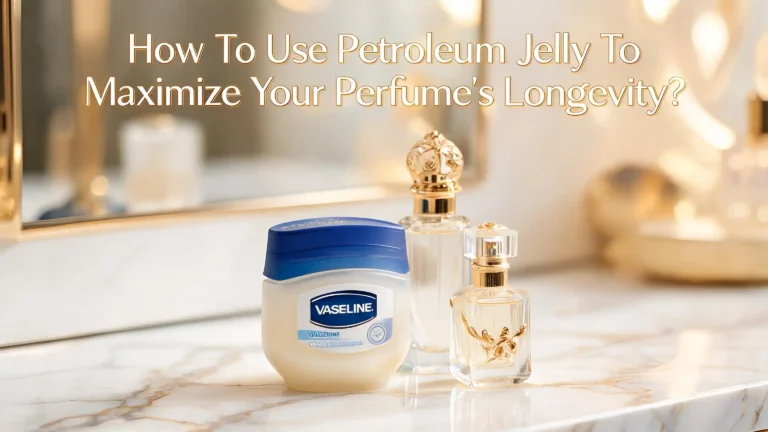
Yes, a small amount can help on dry pulse points. It creates a base that slows evaporation. Use only a little. Too much can make the scent feel heavy and may dull the opening.
Is it better to spray perfume on skin or clothes
Skin gives better note development because heat helps the fragrance open. Clothes often give longer wear. The best result for many people is both, with skin as the main application and one light mist on washable fabric.
How many perfumes should I layer at once
Keep it simple. Two is usually enough. If one is already complex, use just one support note or stick with lotion and oil. Too many layers can smell crowded and less expensive.
Why does my perfume smell good on paper but cheap on me
Skin changes scent. Body heat, skin moisture, body oil, weather, and other scented products all affect the result. Test perfume on clean, moisturized skin and wait for the dry down before you decide.
Can I make a very sweet perfume smell more mature
Yes. Try fewer sprays and add a dry support note like cedarwood, sandalwood, or clean musk. You can also wear it in cooler weather or at night, when sweet scents often feel smoother and more balanced.
Does storing perfume in the bathroom really hurt it
Over time, yes. Steam, humidity, and temperature changes can break down the fragrance and make it smell flat or off. A cool, dark, dry place is much better for keeping the scent smooth and stable.

Hi, I’m Lily! I started this blog to share honest reviews, real comparisons, and helpful guides so you can find your perfect scent without the guesswork. Welcome to my scented world!