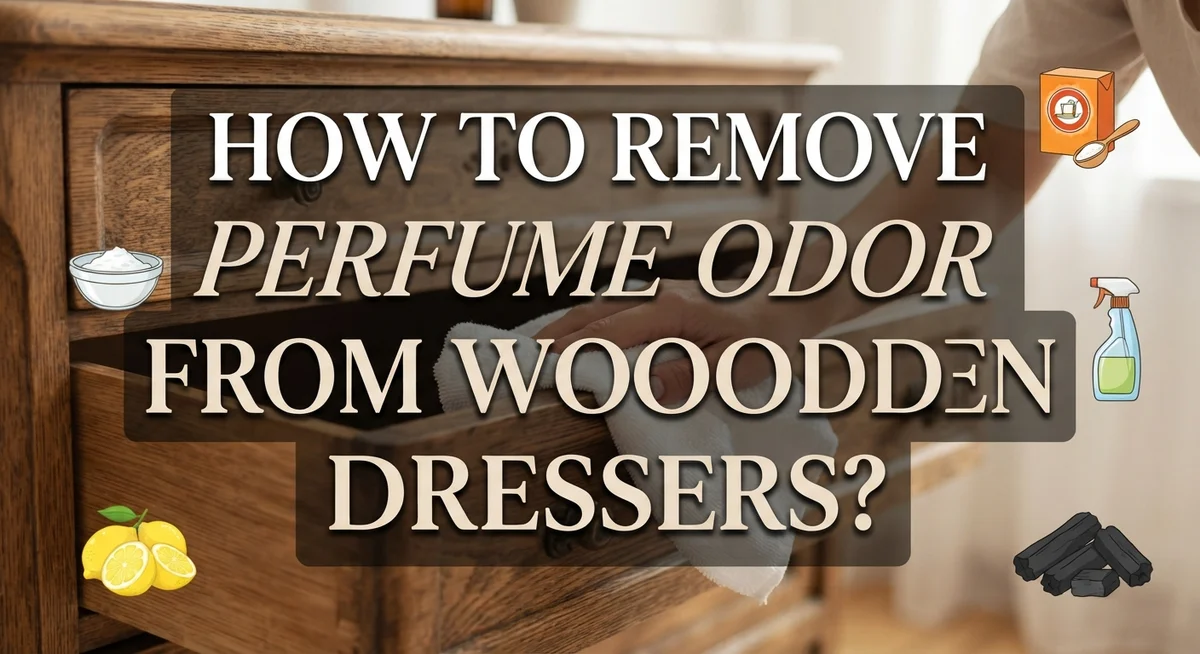
How to Remove Perfume Odor from Wooden Dressers?
Spilled a bit too much perfume on your dresser? That sweet smell can turn stubborn fast. It seeps into wood grain and lingers for weeks.
Wooden dressers are surprisingly good at trapping scents. The porous surface soaks up fragrance oils like a sponge. This makes odor removal tricky but not impossible.
The good news? You don’t need harsh chemicals or expensive products. Simple household items can tackle even strong perfume odors effectively.
This guide walks you through proven methods step by step. You’ll learn how baking soda pulls odors out naturally. We’ll also cover rubbing alcohol solutions that kill bacteria causing lingering smells.
Let’s get that fresh, odor-free dresser back.
In a Nutshell
- Start with a deep clean. Wipe down the interior with soap and water first. This removes any surface residue before you tackle the odor itself.
- Use a rubbing alcohol spray. Mix equal parts alcohol and water. This simple solution kills the bacteria causing the smell.
- Add baking soda for absorption. Place bowls inside the drawers. Swap it out every two to three days for best results.
- Let air flow freely. Open all drawers and doors fully during treatment. Good airflow speeds up drying and helps the odor lift away.
- Repeat as needed. One treatment often isn’t enough. Multiple applications usually work better than a single attempt.
- Match your method to your wood. These steps work well for both sealed and unfinished wood dressers. Just be patient and let each step do its job.
Why Perfume Odor Lingers in Wooden Dressers
Wooden dressers absorb odors because wood is porous. Perfume molecules seep deep into the wood fibers and settle there. This happens even with sealed finishes, though unfinished wood absorbs scents faster and holds them longer.
The wood’s natural structure traps odor molecules. When you spray perfume near your dresser, tiny fragrance particles don’t just sit on the surface. They penetrate the wood grain and get stuck between fibers. Heat and humidity make this worse by opening up the wood’s pores even more.
Bacteria also play a role. Perfume contains alcohol and oils that can attract moisture. This moisture creates an environment where bacteria thrive. These bacteria break down organic compounds in the perfume, creating new smells that linger even after the original fragrance fades.
The longer perfume sits in wood, the harder it becomes to remove. Fresh spills are easier to treat than old, set-in odors. This is why quick action matters when you first notice the smell.
Sealed wood with wax or oil finishes traps odors differently than raw wood. The finish creates a barrier, but perfume can still seep through cracks, joints, and drawer edges. Unfinished wood pulls odors in immediately because nothing blocks the pores.
Temperature changes affect how wood releases odors too. Warm conditions make the smell stronger because heat causes wood to expand slightly. This pushes trapped odor molecules back out into the air. Cold weather makes odors seem less noticeable, but they’re still there in the wood fibers waiting to return.
Understanding why perfume lingers helps you tackle removal effectively. You’ll know you need to reach deep into the wood, not just clean the surface.
What You’ll Need Before You Start
Before you start removing perfume odor from your wooden dresser, gather the right supplies. Having everything ready makes the process smooth and efficient.
Cleaning solutions form the foundation of your odor removal effort. You’ll need basic dish soap mixed with water for the initial deep clean. Rubbing alcohol is essential because it kills the bacteria causing the smell. Mix it 50/50 with water in a spray bottle for easy application. Murphy’s oil soap works well for wooden surfaces and helps clean without damaging the finish.
Absorbent materials trap lingering odors effectively. Baking soda is your best option here. It naturally absorbs smells and costs very little. You can also use activated charcoal if you have it available. Keep extra supplies on hand since you’ll need to replace these materials every 2 to 3 days during treatment.
Cleaning tools help you apply solutions properly. Grab soft cloths or microfiber towels to avoid scratching your dresser. You’ll want several cloths so you can switch between cleaning and drying tasks. A spray bottle makes applying your alcohol solution convenient and controlled.
Drying supplies matter too. Keep clean, dry towels nearby for wiping surfaces after cleaning. Good air circulation is critical, so open windows if possible. A fan helps speed up the drying process between applications.
Optional items include gloves to protect your hands during cleaning. A small bowl works perfectly for holding baking soda inside drawers. Don’t forget a notepad to track which drawers you’ve treated and when.
Preparing these supplies beforehand prevents interruptions during your cleaning work.
Step-by-Step: Deep Cleaning the Interior
Deep cleaning your dresser’s interior requires a systematic approach. Start by removing all items from every drawer. This gives you full access to surfaces where odor molecules hide.
Wipe down all interior surfaces with warm soapy water first. Use a soft cloth to clean the wood thoroughly. Pay special attention to corners and crevices where perfume settles. Allow these surfaces to dry completely before moving to the next step.
Once dry, apply your cleaning solution. A 50/50 mixture of rubbing alcohol and water works effectively. Spray this solution onto a cloth, then wipe down all interior surfaces systematically. The alcohol kills odor causing bacteria while the water helps distribute it evenly. Work from top to bottom in each drawer.
Let drawers air dry with doors fully open. Proper ventilation matters greatly during this phase. Air circulation helps moisture escape and allows bacteria to die off. Leave drawers open for at least 24 hours.
Next, place open bowls of baking soda inside each drawer. This absorbent material traps remaining odor molecules. Replace the baking soda every 2 to 3 days. Continue this process for 1 to 2 weeks depending on odor intensity.
Repeat the alcohol spray treatment if needed. Some strong odors require multiple applications over time. Don’t rush this process. Patience yields better results than single treatments.
Throughout deep cleaning, maintain good air circulation in your room. Open windows if possible. This helps odors escape rather than recirculate back into the wood.
These steps work for both sealed and unfinished wood finishes. The key is consistency and allowing adequate drying time between treatments. Your dresser will gradually release the trapped perfume smell.
Using Baking Soda and Alcohol Solutions for Odor Removal
Baking soda and alcohol solutions work together to eliminate perfume odors from wooden dressers. These two methods tackle the problem from different angles and deliver real results.
Baking soda absorbs odors rather than masking them. Place open bowls or boxes of baking soda inside each drawer and cabinet. The powder traps odor molecules effectively. Replace the baking soda every 2 to 3 days for best results. This simple approach works on both sealed wood and unfinished surfaces.
A rubbing alcohol and water spray creates a powerful odor fighting solution. Mix equal parts rubbing alcohol and water in a spray bottle. This combination kills the bacteria that cause perfume smells to linger. Spray the mixture lightly on interior wood surfaces. Avoid oversaturating the wood, which can damage the finish.
Apply these methods systematically for maximum effectiveness. Start with your deep cleaning using soap and water. Then place baking soda inside the drawers. After a few days, spray the alcohol solution on all interior surfaces. Open all drawers and doors fully during treatment. Air circulation speeds up the odor removal process.
Many people make the mistake of expecting single application results. Odor removal often requires multiple treatments over time. The intensity of the perfume smell determines how long treatment takes. Heavily scented dressers may need 1 to 2 weeks of consistent effort.
Don’t rush the drying process between treatments. Insufficient drying time reduces effectiveness. Allow at least 24 hours between applications. Inadequate ventilation also slows results. Position a fan near your dresser to keep air moving. These practical steps combine baking soda’s absorption power with alcohol’s bacteria killing ability for complete odor elimination.
Drying and Ventilation Techniques for Best Results
Drying and ventilation work together to eliminate perfume odors from your wooden dresser. Proper air circulation is essential because it allows moisture and odor molecules to escape the wood fibers.
Open all dresser drawers and doors completely. Position them at right angles to maximize airflow around every surface. Leave them open for at least 24 to 48 hours after applying cleaning solutions. This extended drying time prevents odors from getting trapped back inside the wood.
Place your dresser in a room with good air movement. Open windows if weather permits. Use fans to direct air across and into the drawers. Fans help circulate stale air out and fresh air in. Position them to blow air directly into open drawers for faster drying.
Avoid closing drawers between treatment applications. Each time you close them, you trap moisture and odor molecules inside. The wood needs continuous exposure to moving air to release trapped perfume scents. Patience during this phase makes a real difference in your final results.
Check humidity levels in your room. High moisture slows drying and keeps odors lingering. If your space feels damp, run a dehumidifier. Lower humidity helps the wood dry faster and release odors more effectively.
Don’t rush this step by closing drawers too early. Many people fail at odor removal because they seal the dresser before it fully dries. Give each treatment cycle adequate time with doors and drawers open.
Temperature also matters. Warmer environments speed up drying. If possible, keep your room between 65 and 75 degrees Fahrenheit during treatment. This temperature range helps wood release odors while maintaining the finish quality.
Special Considerations for Sealed vs Unfinished Wood
Sealed and unfinished wood require different care approaches when removing perfume odors. Understanding these differences helps you clean effectively without damaging your dresser.
Sealed wood has a protective finish like wax or oil coating the surface. This finish acts as a barrier that prevents liquids from soaking deep into the wood grain. You can safely use water based cleaning solutions on sealed wood without worry. Wipe solutions away quickly to avoid excess moisture pooling on the surface.
Unfinished wood lacks this protective layer. The wood absorbs liquids more readily, which means moisture can penetrate deeper into the grain. You must use drying solutions more carefully on unfinished pieces. Apply alcohol based sprays rather than water solutions when possible, since alcohol evaporates faster than water.
Both wood types benefit from the same core odor removal methods. Baking soda works equally well on sealed and unfinished surfaces. The rubbing alcohol and water spray solution (50/50 ratio) effectively kills odor causing bacteria on both finishes.
The key difference lies in drying time and moisture management. Sealed wood dries more quickly after treatment. Unfinished wood needs longer air circulation periods to prevent moisture damage.
Test your cleaning solution on a hidden area first, regardless of wood type. This simple step prevents visible damage to your dresser’s appearance.
Ventilation matters equally for both sealed and unfinished wood. Open windows and use fans to keep air moving throughout the treatment process. This prevents moisture from settling into the wood grain.
Your dresser’s finish type shouldn’t discourage you from treating odors. Both sealed and unfinished wood respond well to consistent cleaning efforts and proper drying techniques.
Common Mistakes That Prevent Odor Removal
Many people struggle with perfume odors because they skip critical steps in the removal process. Understanding these mistakes helps you succeed faster and avoid frustration.
The biggest error is using only one treatment application. Perfume odors penetrate deep into wood fibers, especially in dresser drawers. One spray or one bowl of baking soda won’t eliminate the smell completely. You need to repeat your chosen method multiple times over several days for real results.
Another common mistake involves rushing the drying process between treatments. People close drawers too soon, trapping moisture inside. This moisture prevents odors from escaping and can even create new smells. Always wait until your dresser feels completely dry before closing anything up again.
Inadequate ventilation is another major problem. Some people treat their dresser in a closed bedroom with windows shut. Air circulation is essential because it helps odor molecules escape from the wood. Open windows, use fans, or move your dresser to a well ventilated area during treatment.
Many people also fail to clean the interior thoroughly before starting odor removal. Perfume residue sits on drawer bottoms and sides. You must wash these surfaces with soap and water first. This removes the actual perfume particles, not just the smell.
Finally, people often ignore wood type considerations. Sealed wood and unfinished wood dry differently. You must adjust your timeline accordingly. Sealed wood typically dries faster, while unfinished wood absorbs moisture longer.
Avoiding these mistakes means your odor removal efforts actually work. Stay patient, maintain good ventilation, and repeat your treatments consistently for the best outcomes.
Troubleshooting Persistent or Stubborn Smells
When perfume odors linger despite your initial efforts, you need a more aggressive approach. Stubborn smells require multiple treatment layers because perfume molecules embed themselves deep into wood fibers.
Start by identifying where the smell concentrates most. Open all drawers and sniff each section carefully. The strongest odor points need extra attention during treatment.
Rubbing alcohol solutions work best for persistent cases. Mix equal parts rubbing alcohol and water in a spray bottle. Spray this mixture directly onto interior surfaces, then wipe thoroughly with clean cloths. The alcohol kills bacteria that create odors. Let everything dry completely before repeating.
For extremely stubborn smells, apply baking soda generously inside drawers and leave it for 3 to 5 days. Replace the baking soda every 2 to 3 days. This extended treatment absorbs deep odor molecules that surface cleaning misses.
Murphy’s oil soap also works well for persistent cases. Dilute it according to package directions, then clean all interior surfaces systematically. Pay special attention to corners, seams, and areas where perfume likely pooled.
Patience becomes your biggest tool here. One application rarely eliminates stubborn odors completely. Plan for 2 to 3 treatment cycles spanning 1 to 2 weeks.
Between treatments, maintain maximum air circulation. Keep drawers open in a well ventilated room. Never close drawers until you’ve completed your full treatment plan.
If odors still remain after multiple attempts, consider that moisture may be trapped inside the wood. In this case, leave the dresser open in dry conditions for several additional days. Sometimes time and airflow accomplish what cleaning solutions cannot.
Final Thoughts
Removing perfume odor from wooden dressers takes patience and the right approach. You now have simple, proven methods to tackle this problem effectively.
Start with a thorough interior clean using soap and water. This removes residue that traps smell in wood fibers.
Choose your treatment based on odor strength. Baking soda works great for mild smells. Rubbing alcohol solutions handle tougher cases.
Ventilation is your best friend throughout this process. Open drawers fully and let air circulate freely. Skipping this step slows down your progress significantly.
Remember that multiple applications often prove necessary. Perfume molecules sink deep into wood surfaces. One treatment rarely solves everything on the first try.
Give each treatment enough time to work. Rushing dry time between applications undoes your hard work. Wood needs proper time to breathe and release trapped odors.
Sealed and unfinished wood both respond well to these methods. The core techniques stay consistent across wood types. Just adjust drying time based on your dresser’s finish.
Testing solutions on hidden spots protects your furniture. This simple step prevents damage while you treat odors.
Stubborn smells require extra determination. Stick with your chosen method and repeat as needed. Most persistent odors clear up within several days of consistent treatment.
Your dresser can smell fresh again with steady effort. These methods work for perfume, smoke, and other common household odors too.
Trust the process and give it time. Combine proper cleaning, smart product choices, and good airflow. Your wooden dresser will thank you with a clean, neutral scent that lasts.
Frequently Asked Questions
Can I use these methods on sealed wood finishes?
Yes, you can safely use these cleaning methods on sealed wood. Sealed finishes like wax or oil coatings actually protect the wood underneath. The alcohol and soap solutions work on the surface without damaging the protective layer. Just avoid oversaturating the wood with liquid. Pat dry immediately after cleaning to prevent water damage.
How long does it take to remove perfume smell completely?
The timeline depends on how strong the odor is and how deep it penetrated. Light perfume smells may disappear in 3 to 5 days with consistent treatment. Stronger odors can take 1 to 2 weeks or longer. Patience is essential here. Multiple applications work better than one heavy treatment. Keep reapplying your chosen method every few days until the smell vanishes completely.
Will baking soda damage my wooden dresser?
Baking soda is completely safe for wood and won’t cause damage. Sprinkle it generously inside drawers and replace it every 2 to 3 days. The powder absorbs odors naturally without harsh chemicals. Just vacuum it out thoroughly before putting items back in. This method works especially well for stubborn smells that resist other treatments.
Why does the smell come back after I clean?
Perfume odors return when you haven’t killed all the bacteria causing the smell. Surface cleaning alone doesn’t reach deep into wood fibers. You need multiple treatments to fully eliminate odor sources. Also check that you’re allowing proper drying time between applications. Closed drawers trap moisture and can reactivate smells. Keep drawers open with good air circulation until the odor completely disappears.
Can this method work for other bad smells?
Absolutely. These same techniques remove cat urine, smoke, and musty odors from wood. The alcohol solution kills bacteria responsible for most unpleasant smells. Baking soda absorbs various odors effectively. The key is consistency and patience regardless of what smell you’re fighting. The stronger the original odor, the more treatments you’ll need.

Hi, I’m Lily! I started this blog to share honest reviews, real comparisons, and helpful guides so you can find your perfect scent without the guesswork. Welcome to my scented world!