How to Create a Custom Fragrance Blend with Essential Oils?
Have you ever smelled a perfume and wished you could create something just as amazing? Good news. You can make your own signature scent at home.
Creating a custom fragrance blend with essential oils is easier than you think. It just takes some basic knowledge and a little practice.
Every great fragrance follows a simple structure. It has base notes, heart notes, and top notes. Each layer plays a special role in how your scent smells and lasts.
In this guide, we will walk you through each step of the blending process. You will learn how many drops to use for each note type. We will also share common mistakes people make when blending oils.
By the end, you will understand how to layer scents like a pro. You will feel confident mixing your own personalized fragrance. Let’s get started on this fun and creative journey together.
In a Nutshell
Start with base notes first. Use 1 to 3 drops. These oils create the foundation and make your scent last longer.
Add heart notes next. Use 2 to 4 drops. This is the main body of your fragrance and gives it a full personality.
Finish with top notes. These oils give the first impression. Adjust the drops based on your personal taste.
Layer each note properly. Skipping this order can make your blend feel unbalanced or flat.
Avoid using too much of one oil. Balance is key to a pleasant and long lasting fragrance.
Blend everything in a small vessel. This helps the oils mix evenly and lets the scent develop properly.
Understanding the Three-Note Fragrance Structure
A fragrance blend works like a musical composition. Each note plays its own role to create the final scent experience.
Base notes form the foundation of your blend. These oils last the longest on your skin. They provide depth and staying power. Base notes include oils like vanilla, sandalwood, and patchouli. You need only 1 to 3 drops of base notes per blend.
Heart notes sit in the middle. They emerge after the top notes fade away. Heart notes create the main character of your fragrance. They bridge the quick first impression and the long lasting base. Common heart notes include rose, jasmine, and ylang ylang. Use 2 to 4 drops of these oils.
Top notes create the first smell you notice. They vanish quickly, usually within 5 to 15 minutes. Top notes are bright and energetic. Citrus oils, peppermint, and bergamot work well as top notes. These oils should be added last to your blend.
The reason for this layering system is simple. Each note has different evaporation rates. Base notes stick around longest. Top notes disappear first. When you add them in the correct order, they work together smoothly.
Think of the structure this way: base notes are like the bass in music, heart notes are the melody, and top notes are the sparkle. Together, they create something complete and balanced.
This three part system works because of chemistry. Lighter molecules evaporate faster, creating the top note experience. Heavier molecules linger longer, forming your base. The middle notes transition between them.
Understanding this structure helps you make better choices. You know why certain oils go where. You understand how much of each to use. This knowledge transforms you from someone mixing randomly into someone creating intentional, professional smelling blends.
Essential Tools and Materials for Blending
You need several basic items to start blending your own fragrances at home. Most of these tools are simple and affordable to find.
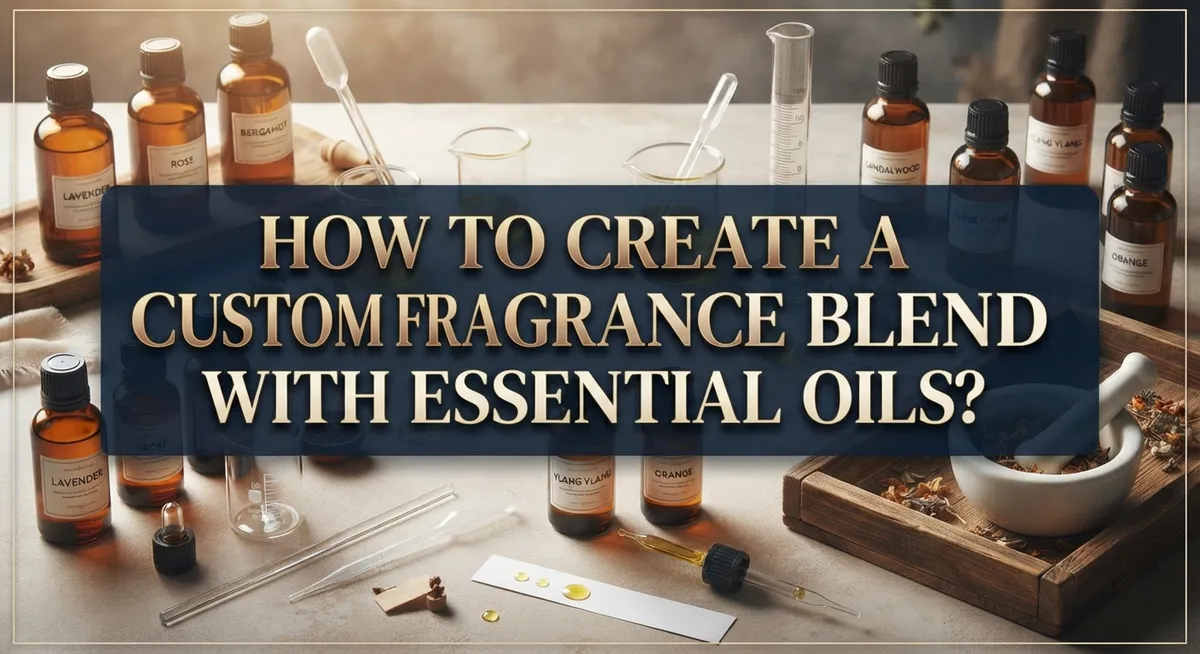
Glass bottles or vials work best for storing your finished blends. Dark glass protects your oils from light damage. Small bottles with tight caps keep your scents fresh longer. You can use 5ml, 10ml, or 15ml sizes depending on how much you want to make.
Pipettes or droppers let you measure oils precisely. One drop makes a real difference in your final scent. Glass pipettes work better than plastic because oils don’t degrade them. Having several pipettes prevents oils from mixing accidentally.
A small mixing vessel holds your blend while you work. Use glass bowls or small beakers. Avoid plastic since essential oils can break it down over time.
Carrier oils dilute your essential oils safely. Jojoba oil, fractionated coconut oil, and sweet almond oil work well. These oils help your fragrance last longer on skin and reduce irritation. Most blends use a carrier oil base with essential oils layered on top.
Measuring tools keep your ratios consistent. A small scale helps if you prefer weight measurements. Droppers already give you volume measurements, which many people find easier.
Labels and markers help you track what you made. Write down your oil combinations and dates. This prevents confusion later and helps you recreate blends you love.
A notebook records your recipes and experiments. Track which oils you used, how many drops, and how the blend smells over time. Fragrances change as they age, so noting this information matters.
Alcohol (like perfumer’s alcohol) can extend shelf life, though it’s optional. It helps oils blend smoothly together. Some people skip this step entirely and still get great results.
These basic materials create a complete blending setup without spending much money.
Step-by-Step Guide to Layering Your Blend
Now that you have your materials ready, it’s time to start layering. This process requires patience and precision. Work slowly through each note category to build complexity and depth into your blend.
Begin by adding your base notes first. These oils form the backbone of your fragrance. Add 1 to 3 drops of your chosen base note oil into your mixing vessel. If you’re using multiple base notes together, keep the total at 3 drops. Base notes evaporate slowly, so they need less volume than other notes. Let these drops sit for a moment before moving forward.
Next, add your heart notes to the same vessel. These middle notes create the main character of your fragrance. Add 2 to 4 drops of your heart note selection. You can use one oil or combine two different heart notes. This is where your blend starts to develop personality. Stir gently or swirl the vessel to combine the oils.
Finally, add your top notes last. Top notes provide the first impression and fade quickly. Add 1 to 2 drops initially, then adjust based on how strong you want that opening scent to be. Top notes are the lightest, so use them sparingly.
After layering all three note categories, let your blend rest for 24 hours. This waiting period allows the oils to marry together properly. The scent will shift and mature during this time. After resting, smell your creation. You may notice the blend smells different than when you first mixed it. This is completely normal and shows the oils are bonding.
If your blend feels too strong or weak, you can adjust it. Add more drops of any note category to fine tune the result. Keep detailed notes about what you added and in what order. This record becomes invaluable when you want to recreate a successful blend or avoid repeating mistakes.
Getting the Drop Ratios Right for Balanced Scent
Getting your drop ratios right is the foundation of a balanced fragrance blend. When you add too much of any single oil, one scent overpowers everything else. When you add too little, your blend lacks depth and character.
Start with base notes first. Add between 1 to 3 drops of your chosen base oil. Base notes create the lasting foundation, so they need less volume than other notes. A single drop of a strong base note like vetiver or cedarwood can anchor your entire blend.
Next, move to your heart notes. These middle notes deserve 2 to 4 drops total. You can use one heart note oil or combine two different ones. Heart notes form the main body of your fragrance and should be more generous than base notes but still restrained.
Top notes come last and need careful balance. Top notes are the first impression people smell. Add drops one at a time and test frequently. Top notes fade quickly, so you might use 2 to 4 drops depending on how strong you want that initial burst.
A helpful ratio to remember is roughly 1:2:3 for base to heart to top notes. This means if you use 1 drop of base, aim for about 2 drops of heart and 3 drops of top. This creates a blend that opens bright, develops a pleasant middle phase, and finishes with lasting depth.
Always start small and adjust gradually. You can add more oil, but you cannot remove what you’ve already added. Write down each drop you add to your blend. This record becomes invaluable when you want to recreate a blend you loved or learn from one that didn’t work well.
Tips for Achieving a Complex, Long-Lasting Aroma
Creating a complex, long-lasting aroma requires understanding how different oils work together over time. The key is building depth through strategic layering and proper proportions.
Start with quality base notes as your foundation. Base notes like vetiver, sandalwood, and cedarwood last the longest on your skin. They anchor your entire blend and give it staying power. Use 1 to 3 drops of your chosen base oils to create a solid foundation without overwhelming the blend.
Add your heart notes next. These middle notes emerge after 15 to 30 minutes and form the body of your fragrance. Oils like lavender, rose, and geranium work well here. Use 2 to 4 drops to create a noticeable presence that supports your base notes.
Top notes provide the first impression but fade quickly. Citrus oils, bergamot, and lemon give immediate appeal. Add these last and adjust the amount based on how strong you want the opening to smell.
Let your blend rest for at least 24 hours before wearing it. This resting period allows the oils to marry together and develop complexity. The scent profile will shift and improve as the oils blend chemically.
Balance is crucial for longevity. A common mistake is using too much of one oil type. Instead, aim for a ratio where base notes anchor, heart notes develop, and top notes sparkle.
Consider using a small amount of carrier oil between your drops. This slows evaporation and helps your blend last longer on skin. A few drops of jojoba or fractionated coconut oil can extend wear time significantly.
Test your blend on paper first. Smell it immediately, then again after 30 minutes and several hours. This shows you how the notes evolve and whether adjustments improve longevity. Keep detailed notes of what works so you can recreate successful combinations.
Common Blending Mistakes and How to Avoid Them
Blending fragrances is exciting, but mistakes happen easily. Understanding what goes wrong helps you create better scents every time.
Overusing single oils is the most common error. New blenders often add too many drops of one oil because they love how it smells. This creates an unbalanced fragrance where one scent overpowers everything else. Your blend becomes one-dimensional instead of complex. Start with just one or two drops of each oil. You can always add more later, but you cannot remove drops once they’re mixed.
Skipping the proper layering sequence ruins many blends. Some people throw all their oils together at once without following the base, heart, top note order. This prevents the oils from bonding correctly. The fragrance won’t develop its full character. Always start with base notes, then add heart notes, and finish with top notes. This sequence matters because each layer builds on the previous one.
Relying only on essential oils limits your results. Pure essential oils alone can smell great initially, but they fade quickly. Synthetics actually improve longevity and scent profile. Many professional blenders combine both types for better staying power. You do not need synthetics to make a good fragrance, but they help.
Rushing the resting period prevents your blend from reaching its best potential. Oils need time to marry together. Blending them and wearing immediately means you miss the full scent development. Wait at least 24 hours before evaluating your creation. The fragrance will smell noticeably different after resting.
Forgetting to test on paper first wastes your precious oils. Paper testing shows you how your blend actually smells without applying it directly to skin. This simple step prevents disappointment and helps you adjust before committing to your final recipe. Keep notes about what worked and what didn’t for future reference.
Testing, Adjusting, and Aging Your Fragrance Blend
Testing your fragrance blend is where you discover if your creation actually works. Start by smelling your blend directly from the bottle, but don’t rely on this alone. Your nose adapts quickly to scents, so you need real world testing.
Apply a small amount to paper strips or blotter cards first. This method lets you experience the scent without it mixing with your skin chemistry. Smell the paper immediately, then again after 5 minutes and 15 minutes. You’ll notice how your top notes fade and reveal the heart notes underneath.
Next, test on your skin in a small area. Your body temperature affects how oils develop. The scent will smell different on you than on paper. Wait at least 30 minutes before deciding if you like it. Many people judge too quickly before the blend has time to settle.
Keep notes about what you smell at each stage. Does the top note last long enough? Can you smell the heart notes clearly? Does the base note provide good staying power? Write down specific impressions like “too floral” or “not strong enough.”
If your blend needs adjusting, make small changes. Add just one extra drop of an oil you want to strengthen. Let it rest for another 24 hours before testing again. Major changes require patience and multiple rounds of testing.
Aging improves most fragrance blends. After testing, set your blend aside in a cool, dark place for one to two weeks. This resting period allows the oils to marry together properly. The scent becomes more cohesive and complex. Some blends need even longer aging to reach their best potential.
Track your testing results over time. This creates a personal reference guide for future blending. You’ll learn what works and what doesn’t for your preferences.
Final Thoughts
Creating your own fragrance blend is a rewarding skill. It takes patience, but the results feel personal and unique.
You now understand the three note structure. Base, heart, and top notes each play a special role in your blend.
Remember to start with base notes first. They form the foundation that everything else builds on.
Your drop ratios matter more than you might think. Getting this balance right creates a harmonious scent that lasts.
Don’t rush the process. Good fragrance blending takes time and careful attention to detail.
Testing on paper first saves your oils. It also helps you understand how your blend will actually smell.
Letting your blend rest is non negotiable. This resting period allows the oils to properly combine and mature.
Mistakes will happen along the way. That’s simply part of learning this craft.
Overusing single oils or skipping steps are common pitfalls. Now you know how to avoid them.
Keep detailed notes as you experiment. This habit helps you recreate your favorite blends later.
Every blend you create teaches you something new. Your nose becomes more skilled with each attempt.
Essential oils offer countless combinations to explore. There’s always another scent waiting to be discovered.
Trust your instincts as you blend. Your personal preference matters more than any strict rule.
Start simple with just two or three oils. You can always add complexity as your confidence grows.
The joy of custom fragrance making comes from self expression. Your blend should reflect what makes you feel good.
Take your time and enjoy this creative process. The perfect signature scent is within your reach.
Frequently Asked Questions
Can I create a quality fragrance using only essential oils?
Yes, you can make fragrance blends with just essential oils. However, blending in some synthetic components often produces better results. Synthetics help your fragrance last longer on the skin and create a more complex scent profile. Essential oils alone work fine for personal projects, but they fade faster than oil and synthetic blends.
What happens if I use too many drops of one oil?
Overusing a single oil overpowers your entire blend. One dominant scent takes over, and you lose the balance between your base, heart, and top notes. Start with fewer drops than you think you need. You can always add more, but removing oil is impossible.
How do I know if my blend is balanced?
A balanced blend smells pleasant across all three stages. Your top notes should appear first, then fade into heart notes. Finally, your base notes should linger. If one stage smells too strong or disappears too quickly, your drop ratios need adjustment. Test on paper strips to evaluate each stage separately.
Should I use a carrier oil when blending?
Carrier oils are optional but helpful. A small amount between drops can prevent oils from mixing too quickly and allows you to control the blend better. Carrier oils also dilute your essential oils slightly, which helps prevent overwhelming scents. This technique gives you more control during the blending process.
Why should I wait before wearing my new fragrance?
Resting allows your oils to marry together chemically. Fresh blends smell disjointed because the oils haven’t fully combined. After 24 hours or longer, the scent becomes more cohesive and pleasant. Your blend’s true character emerges during this resting period.

Hi, I’m Lily! I started this blog to share honest reviews, real comparisons, and helpful guides so you can find your perfect scent without the guesswork. Welcome to my scented world!