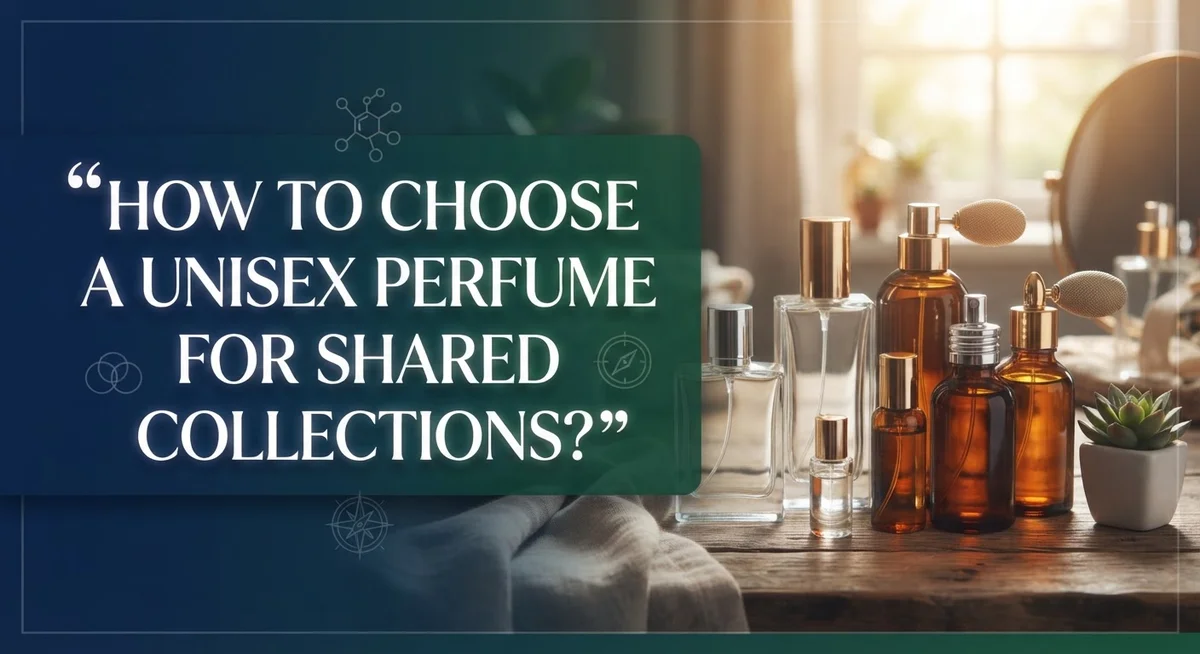
How to Choose a Unisex Perfume for Shared Collections?
Sharing a fragrance collection sounds simple. But picking one scent that works for everyone in the house is tricky.
Unisex perfumes solve this problem. They break away from strict gender rules and offer something everyone can enjoy.
Many people think unisex scents are plain or boring. That is a myth. These fragrances often have complex layers that unfold differently on each person.
This guide will help you choose wisely. You will learn how to test scents properly on your skin instead of paper strips.
We will cover the importance of sampling before buying full bottles. You will also discover how to check top, heart, and base notes.
Let’s explore how to pick a unisex scent that suits your whole household.
In a Nutshell
- Always request samples first. Never buy a full bottle blind. Testing small amounts saves money and helps everyone in the house find a scent they truly like.
- Test on skin, not paper. Your body chemistry changes how a scent smells. Pulse points like wrists and elbows give the most honest result.
- Give it a full day. Perfume shifts from top notes to base notes over time. A quick sniff will not tell you the full story.
- Think about personality and habits. A scent should match hobbies and daily life, not just smell nice in the bottle.
- Learn the notes. Understanding top, heart, and base notes helps you predict how a fragrance will develop on different people.
- Avoid repeating scents. Check what you already own before adding something new. This keeps your shared collection fresh and useful.
What Makes a Fragrance Truly Unisex
A truly unisex fragrance breaks free from the idea that scents must smell “masculine” or “feminine.” Instead, it focuses on what makes a scent work for anyone, regardless of gender.
The key lies in balanced composition. Unisex fragrances blend notes that appeal across different preferences. They avoid heavy florals that traditionally coded as feminine or strong woods that coded as masculine. Instead, they use ingredients like citrus, green tea, amber, and soft musk that feel natural on all skin types.
Complexity matters more than simplicity. Many people mistakenly think unisex means boring or plain. The opposite is true. A quality unisex fragrance layers multiple scent families together. It might combine fresh top notes with creamy heart notes and earthy base notes. This layering creates depth that evolves throughout the day.
Your individual skin chemistry makes this even more important. The same fragrance smells different on each person because body temperature, skin oils, and pH levels vary. What smells soft and subtle on one person might feel bolder on another. This is why unisex fragrances work so well for shared collections. They adapt to whoever wears them.
Personal expression matters too. A true unisex fragrance doesn’t force you into a category. It lets you choose based on mood, season, or activity. Someone who enjoys fresh scents can wear it one day. Someone who prefers warmth can wear it the next. The fragrance stays the same, but it serves different needs.
This flexibility and balance is what separates genuinely unisex fragrances from ones that simply lack personality. Look for scents with clear structure and multiple note layers. Test how they perform on your skin over a full day. That’s when you’ll discover if a fragrance truly works for everyone in your household.
Why Skin Chemistry Matters More Than Gender Labels
Your skin is unique. It has its own temperature, pH level, and natural oils. These factors change how any perfume smells on you.
The same fragrance can smell completely different on two people. One person might smell sweet notes first. Another person might notice woody or spicy tones instead. This happens because skin chemistry interacts with fragrance molecules in individual ways.
Body temperature matters most. Warmer skin releases scent faster and makes it stronger. Cooler skin makes fragrance last longer but develop more slowly. Pulse points like your wrists and inner elbow are warmer. This is why perfume smells better on these areas.
Your skin’s natural pH also plays a role. More acidic skin can make fragrances smell sharper or more intense. Less acidic skin might make the same scent smell softer or sweeter. This is why a fragrance your friend loves might smell different on you.
Gender labels don’t account for this reality. A perfume marketed for women might smell amazing on someone else in your household, regardless of gender. A scent labeled for men might be perfect for someone who identifies differently. Your actual skin chemistry matters far more than marketing categories.
This is why testing on skin beats testing on paper strips. Paper doesn’t have temperature or pH. It won’t show you how the fragrance truly develops on your body.
When building a shared collection, remember this simple truth: the best fragrance is one that smells right on the person wearing it. Skip assumptions about who should wear what. Instead, focus on how each scent performs on each person’s individual skin. That’s the real foundation for choosing perfumes that work for everyone.
Understanding Top, Heart, and Base Notes
Every fragrance follows a three act story on your skin. Top notes arrive first and fade quickly, usually within 5 to 15 minutes. These opening scents grab your attention. You might smell citrus, herbs, or fresh fruits right after spraying. Top notes create that immediate impression, but they don’t last long.
Heart notes emerge as top notes disappear, typically lasting 3 to 5 hours. This is the true personality of the fragrance. Heart notes contain floral, spice, or fruity elements that define the scent’s character. This middle stage is what most people experience during their day.
Base notes arrive last and stick around the longest, sometimes 6 to 12 hours or more. These deep scents include woods, musks, and vanilla. Base notes anchor the fragrance and give it staying power. They’re often heavier and more subtle than what came before.
Understanding this structure helps you predict how a unisex perfume will behave on your skin. A fragrance that smells sharp and citrusy in the bottle might become warm and woody by evening. This transformation matters when choosing something for a shared collection.
Test the full progression before deciding. Spray a small amount on your wrist and check it every hour. Notice how the scent changes. Some people love the opening but hate the dry down. Others prefer the base notes to everything else.
This knowledge prevents buyer’s remorse. You’ll understand why a sample smelled different on day one versus day three. You’ll know whether the fragrance truly fits your household’s preferences. The journey from top to base tells you everything you need to know.
Step-by-Step Process for Testing and Selecting a Shared Scent
Start by getting samples from retailers or fragrance subscription services. Never buy a full bottle without testing first. Samples let you wear the scent for several days before committing money.
Apply the sample to your inner wrist or inside elbow. These pulse points have higher skin temperature, which helps the fragrance develop naturally. Press the sample onto clean, dry skin for best results.
Wear the sample for a full day. Notice how it smells in the morning, afternoon, and evening. Your nose adapts to scents over time, so what seems strong at first might feel subtle later. This is normal and expected.
Pay attention to how the fragrance feels on your skin. Does it feel fresh and light? Does it feel heavy or overwhelming? Consider whether you want to wear it again tomorrow. Your gut reaction matters more than what anyone else thinks.
Test multiple scents on different days. Never apply more than two or three samples at once, as they will blend together and confuse your senses. Space out your testing so each fragrance gets fair evaluation.
Take notes about what you like and dislike. Write down the scent family, how long it lasted, and whether it suited your personality. This helps you remember details later when comparing options.
Involve your collection partner in the testing process. Have them wear samples too and share their honest feedback. A shared collection works best when both people genuinely enjoy the scent.
After testing several options, narrow your choices down to your top two or three favorites. Revisit these finalists one more time before making your final decision. This extra step confirms whether your preference holds up over time.
Matching Fragrance Character to Personalities and Lifestyles
Matching a fragrance to personality and lifestyle is easier than you think. Start by identifying what activities dominate your daily routine. Someone who spends time outdoors needs different scent profiles than someone working in an office.
Consider your hobbies and interests. If you love sports and fitness, you might prefer fresh, clean fragrances that feel energizing. If you enjoy cooking or gardening, earthy or spicy notes could feel more authentic to who you are. Someone creative might gravitate toward complex, artistic scents with unusual combinations.
Think about your climate and season too. Warm weather calls for lighter, fresher fragrances. Cold months suit richer, deeper scents. A truly versatile unisex fragrance works across seasons and situations.
Your existing scent preferences tell you a lot. Do you naturally reach for citrus in your candles? Do you love vanilla in your coffee? These hints show what notes already resonate with you. A fragrance that aligns with your natural preferences feels less like a compromise and more like an extension of yourself.
When choosing for a shared collection, have an honest conversation with your partner. Ask what scents make them feel confident or comfortable. Do they prefer clean or warm? Subtle or bold? Simple or complex?
The key is finding scents that feel true to each person’s authentic self. A fragrance chosen this way becomes something you both genuinely want to wear, not just something that sits unused on a shelf.
Test fragrances that match these personality markers and lifestyle needs. You’ll notice which ones feel right almost immediately. That alignment between scent and self is what makes a shared collection actually work for everyone using it.
Building a Balanced Shared Collection Without Redundancy
Building a shared perfume collection means avoiding duplicate scents and overlapping fragrance families. Start by mapping what you already own. Write down each fragrance’s scent profile, intensity level, and primary notes.
Identify gaps in your collection. If you own mostly fresh florals, consider adding something woody or spicy. This approach ensures variety and prevents buyer’s remorse. Each new purchase should bring something different to the table.
Before adding anything, discuss priorities with your collection partner. What fragrance families does each person gravitate toward? What occasions do you need scents for? Daily wear, evening events, and seasonal options should all factor into your decisions.
Research fragrance families before testing. Knowing the difference between fresh, oriental, floral, and aromatic scents helps you spot redundancy early. This prevents purchasing two similar fragrances by mistake.
Create a simple spreadsheet or notebook listing your current collection. Include the fragrance name, brand, primary notes, and intensity. This becomes your reference guide when evaluating new options.
When testing potential additions, ask yourself one key question: Does this fill a real gap? If you already own three citrus-based fragrances, another citrus option might be unnecessary.
Balance intensity levels too. A collection works best when you have light, medium, and strong options. This gives you flexibility for different settings and seasons.
Request samples of fragrances that genuinely fill your gaps. Test them on your skin for several days. Only purchase if the fragrance offers something your collection currently lacks. This strategy keeps your shared collection focused, useful, and genuinely diverse rather than cluttered with similar scents.
Common Mistakes to Avoid When Choosing Unisex Perfume
Choosing a unisex perfume for a shared collection requires avoiding several common pitfalls. Many people make mistakes that lead to buyer’s remorse or wasted money.
Assuming unisex means simplistic is the first major error. Unisex fragrances are just as complex and layered as any other scent. They break traditional gender norms and offer genuine depth. Don’t dismiss them as boring or basic. These scents often feature sophisticated combinations of notes that evolve throughout the day.
Blind buying without testing is another critical mistake. Never purchase a fragrance you haven’t tried on your skin first. Paper strips give unreliable results because they don’t account for your body chemistry. Your skin temperature, pH level, and natural oils dramatically change how a scent smells on you versus on paper.
Redundancy in your collection wastes money and shelf space. Before adding any new fragrance, research what you already own. Check the fragrance families and note profiles of your current scents. If you have three fresh citrus options, adding another similar scent serves no purpose.
Rushing the decision process leads to poor choices. Wear a sample for a full day before deciding. The top notes fade within 15 minutes. The heart notes emerge next. The base notes appear hours later. You need to experience all three phases to make an informed decision.
Not involving your collection partner creates conflict. If you’re building a shared collection, both people must test and approve each fragrance. What smells wonderful on one person might feel overwhelming on another. Open communication prevents arguments and ensures both users genuinely enjoy every bottle you purchase together.
Troubleshooting Mismatched Scent Expectations
When you and your partner test a fragrance, you might discover that it smells completely different on each of you. This happens because skin chemistry varies from person to person. Your body temperature, natural oils, and pH levels all affect how a scent develops throughout the day.
Paper strips don’t show the real picture. Fragrance behaves very differently on skin than it does on paper. When you spray a scent on paper, you only experience the top notes. On your skin, the fragrance evolves through three distinct phases: the initial burst, the heart notes that emerge after 15 minutes, and the base notes that linger for hours.
If your partner loves a fragrance but you find it too strong or too sweet, skin chemistry is likely the culprit. The same fragrance can smell floral and delicate on one person but heavy and intense on another. This is completely normal and doesn’t mean one of you has bad taste.
To troubleshoot these mismatches, wear the same fragrance for a full day. Notice how it changes on your skin. Ask your partner to do the same. Compare your experiences honestly. You might discover that what seemed like a mismatch is actually just a difference in how the scent performs.
Test during different times of day. Morning and evening can produce different results because your body temperature fluctuates. Also test the fragrance on different body areas. A scent worn on your wrist behaves differently than the same scent worn on your neck or chest.
When expectations don’t align, remember that this is valuable information. It helps you make smarter choices for your shared collection moving forward. Sometimes the best solution is finding separate fragrances that work beautifully for each person instead of forcing one choice.
Final Thoughts
Choosing a unisex perfume for a shared collection takes patience. You cannot rush this process and expect great results.
Testing on skin always beats testing on paper. Your body chemistry reveals how a scent truly behaves over time.
Remember that unisex does not mean simple. These fragrances often have complex layers that surprise both wearers.
Give every fragrance a full day on your skin. Morning notes differ from evening notes, and this matters for shared decisions.
Involve your partner at every step. Their nose and skin chemistry matter just as much as yours in this choice.
Avoid buying blind, even when a fragrance sounds perfect online. Samples protect your budget and prevent regret later.
Check your existing collection before adding anything new. This simple habit stops redundancy and saves shelf space.
Personality and lifestyle should guide your final pick. A scent that matches daily routines gets worn more often.
Start with smaller sizes when trying something new. This lets you test compatibility without a big financial commitment.
Pay attention to how top, heart, and base notes shift throughout the day. Each stage tells a different part of the story.
Mismatched reactions between partners are normal, not a failure. Skin chemistry varies, and that variation is completely natural.
Building a shared fragrance collection is an ongoing project. Your preferences may shift, and new options will appear over time.
Trust the testing process over guesswork. Sampling, patience, and open communication lead to choices that truly work.
A well chosen unisex perfume brings both people joy. It becomes a shared signature rather than just another bottle.
Take your time, test thoroughly, and choose scents that reflect both personalities fairly and comfortably.
Frequently Asked Questions
Why does the same perfume smell different on my partner and me?
Your skin chemistry is unique. Body temperature, pH levels, and natural oils affect how fragrance develops on your skin. The same scent will perform differently on each person because it interacts with individual body chemistry. This is why testing on skin matters far more than paper strips.
Should I test perfume on paper or skin?
Always test on skin. Paper strips give you an initial impression, but they don’t show how the fragrance will actually perform on your body. Skin testing reveals the true scent development over several hours. Wear it on your wrists or inside your elbow for at least a few hours to see the real picture.
How long should I wear a fragrance before deciding if we both like it?
Wear it for a full day. Top notes appear first and fade quickly. Heart notes emerge next and last several hours. Base notes develop last and create the final impression. You need the complete experience to make a fair judgment about whether it works for your shared collection.
Does unisex perfume mean it will be boring or simple?
No. Unisex fragrances are just as complex and interesting as any other scent. They simply don’t rely on gender stereotypes. Many unisex options feature sophisticated blends with multiple layers. They encourage both partners to explore scents beyond traditional marketing categories.
What’s the best way to avoid buying a fragrance we won’t use?
Request samples before purchasing full sizes. Test the sample together over several days. Check your existing collection to spot any overlap. Ask yourself if this fragrance fills a real gap. Starting small protects your budget and prevents shelf clutter.

Hi, I’m Lily! I started this blog to share honest reviews, real comparisons, and helpful guides so you can find your perfect scent without the guesswork. Welcome to my scented world!