How to Find Cruelty-Free Dupes for Luxury Fragrances?
Do you love luxury perfume but hate the price tag? You are not alone.
Many people want that same rich scent without spending hundreds of dollars. The good news is that cruelty free dupes make this possible.
These dupes copy popular luxury scents. They skip animal testing completely. Many are also vegan and paraben free.
This guide will help you sort fact from fiction. You will learn how to spot certified cruelty free brands.
By the end, you will know how to cross check brand claims. You will feel confident picking dupes that match your favorite luxury scents.
Let’s start finding fragrances that smell amazing and align with your values too.
In a Nutshell
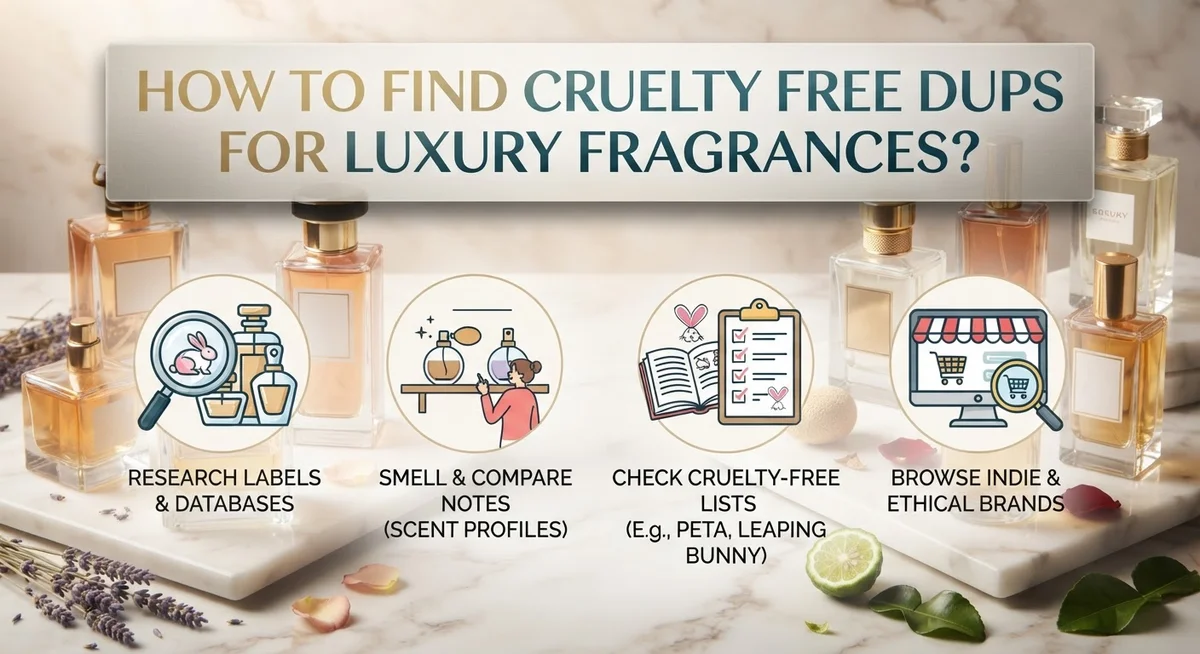
- Check certification databases like PETA, Leaping Bunny, and Cruelty Free Kitty first. These sites list verified brands, so you skip the guesswork.
- Filter your search by product type and certification status. This narrows down options fast and saves time.
- Compare scent profiles carefully. Brands like Noted Aromas and Commodity offer vegan, clean formulas that mimic luxury scents.
- Cross reference every claim with official certification lists. Never trust a label without proof.
- Shop trusted retailers such as Sephora or Ulta Beauty. They often stock cruelty free options in one place.
- Read community reviews on Reddit or TikTok. Real users share honest feedback about scent quality and lasting power.
What Makes a Fragrance Truly Cruelty-Free
A truly cruelty free fragrance means the brand does not test on animals at any stage. This includes testing the finished product, individual ingredients, or raw materials. The company also cannot pay other labs to test on their behalf.
Many cruelty free fragrances go one step further. They use vegan formulations, which means zero animal derived ingredients like musk or ambergris. Paraben free options also appeal to ethical shoppers who want clean beauty products.
Certification matters more than marketing claims. Brands can say “cruelty free” without proof, but official certifications carry real weight. Look for logos from PETA, Leaping Bunny, or Cruelty Free Kitty on packaging or websites.
A legitimate cruelty free fragrance comes from a company with transparent sourcing practices. The brand discloses where ingredients come from and how they extract or produce them. Parent company ownership also plays a role. If a cruelty free brand gets bought by a company that tests on animals, the original brand may lose its certification status.
Quality matters too. Cruelty free does not mean cheap or low quality. Many high end fragrance houses now offer cruelty free options with excellent scent longevity and complexity.
When shopping for dupes, verify that both the original luxury brand and the affordable alternative meet your cruelty free standards. Some luxury fragrances still test on animals, while their dupes might not. Always cross reference claims with official certification databases before purchasing.
The key is doing your homework. Real cruelty free fragrances combine ethical production with genuine scent quality and ingredient transparency.
Understanding Fragrance Dupes and How They’re Made
A fragrance dupe is an affordable alternative that mimics the scent profile of a luxury perfume. Dupes don’t copy the exact formula. Instead, they recreate similar notes and aromas at a lower price point.
Fragrance dupes are made through careful scent analysis. Perfumers study the original luxury fragrance and identify its top, middle, and base notes. Top notes appear first and fade quickly. Middle notes emerge after the top notes fade away. Base notes last the longest and provide the fragrance’s foundation.
Once perfumers identify these notes, they source similar ingredients. Cruelty free dupes use ingredients that haven’t been tested on animals. This sourcing process is crucial because many traditional perfume ingredients have animal testing histories.
The manufacturing process for dupes differs from luxury fragrances mainly in cost and scale. Luxury brands spend heavily on packaging, marketing, and brand reputation. Dupe makers focus resources on scent quality instead. They often use smaller production batches and simpler packaging to keep prices low.
Quality varies significantly among dupes. Some closely match the original scent. Others capture only the general vibe. The difference depends on ingredient sourcing, perfumer expertise, and production standards.
Cruelty free dupe makers face unique challenges. They must source ingredients from suppliers who don’t test on animals. They need to verify supply chain transparency. This adds complexity but ensures ethical standards throughout production.
Understanding how dupes work helps you make smart choices. You’ll know what to expect regarding scent accuracy and longevity. You’ll also appreciate why some dupes cost more than others. Quality cruelty free dupes require genuine effort, skilled perfumers, and verified ethical sourcing.
Step-by-Step: Researching Certified Cruelty-Free Brands
Start by visiting official certification databases. PETA, Leaping Bunny, and Cruelty Free Kitty maintain lists of verified brands. These organizations conduct thorough audits before granting approval.
Create a search strategy on each site. Most databases let you filter by product category. Select “fragrance” or “perfume” to narrow results quickly.
Document every certified brand you find. Write down their names and certification types. This list becomes your reference guide for shopping later.
Next, research individual brand websites. Look for transparency statements about their testing practices. Genuine cruelty free companies explain their policies clearly on their homepage.
Check if brands offer vegan options too. Vegan fragrances exclude animal derived ingredients like musk or ambergris. This adds another layer of ethical assurance.
Cross reference brand claims against certification lists. Some companies claim cruelty free status without official backing. Verification protects you from greenwashing tactics.
Join online communities focused on ethical beauty. Reddit forums and TikTok creators share real experiences with cruelty free fragrances. You’ll learn which dupes actually smell similar to luxury originals.
Read multiple reviews before deciding. One person’s opinion varies from another. Look for consistent feedback about scent accuracy and longevity.
Contact brands directly with questions. Legitimate companies respond to customer inquiries about their practices. Slow or vague responses may signal unreliable claims.
Save your findings in a spreadsheet. Include brand name, certification type, dupe options, and review summaries. This organized approach saves time during shopping.
Track which retailers stock these certified brands. Sephora and Ulta Beauty carry many verified options. Knowing store locations helps you test fragrances before purchasing.
How to Verify Cruelty-Free Claims and Certifications
Verifying cruelty-free claims requires checking official certification sources. Start with PETA, Leaping Bunny, and Cruelty Free Kitty databases. These organizations maintain lists of verified brands that meet strict standards.
When you visit these sites, search specifically for fragrance products. Filter results by certification type to see which ones apply to perfumes and colognes. This step eliminates brands that may be cruelty-free in other categories but not in fragrances.
Look for multiple certifications on a brand’s website. Companies with genuine commitments often display logos from recognized organizations. A single certification matters, but several certifications show stronger dedication to cruelty-free practices.
Check the certification date and renewal status. Some certifications expire or require annual verification. Expired certifications don’t guarantee current cruelty-free status.
Compare what brands claim on their packaging against official database listings. Marketing language like “not tested on animals” differs from formal certification. Unverified claims lack legal backing, while certified status does.
Investigate parent companies too. A brand may be cruelty-free, but its parent company might not be. Some certification programs account for this; others don’t. Read each organization’s standards carefully.
Visit brand websites and look for transparency statements. Legitimate cruelty-free companies explain their testing policies, ingredient sourcing, and supply chain practices. They answer questions about animal-derived ingredients and third-party testing.
Contact brands directly when information seems unclear. Email customer service with specific questions about their fragrance lines. Responsive companies usually reply within days.
Join online communities where people share verification experiences. Real users often discover details that formal databases miss. These conversations help you spot inconsistencies between marketing claims and actual practices.
Matching Scent Profiles Between Luxury Originals and Dupes
Finding the right cruelty free dupe starts with understanding scent families. Luxury fragrances fall into categories like floral, woody, fresh, and oriental. Identify which family your target luxury fragrance belongs to first. This narrows your search significantly.
Next, look at the top notes, middle notes, and base notes of the original fragrance. Top notes appear first and fade quickly. Middle notes emerge after 15 minutes and last longer. Base notes anchor the scent and linger for hours. You can find this information on fragrance databases and brand websites.
Compare these note breakdowns between the luxury original and potential cruelty free alternatives. A good dupe shares similar notes in the same order. For example, if the luxury fragrance opens with bergamot, your dupe should too.
Read reviews from real people who have tested both fragrances. Online communities discuss how closely dupes match originals. Pay attention to comments about longevity and sillage, which measure how long the fragrance lasts and how far it projects.
Test samples when possible. Many retailers offer sample sizes or discovery sets. Spray the dupe on one wrist and the luxury original on the other. Smell both throughout the day and note how they evolve differently.
Document your findings in a simple spreadsheet. Write down the fragrance name, scent family, key notes, longevity, and how closely it matches the original. Include the certification type and where you found it.
Remember that perfect matches rarely exist. Dupes offer similar vibes rather than identical scents. This variation actually gives you freedom to explore new options while staying true to your ethical values.
Using Community Resources and Reviews to Evaluate Quality
Community resources and reviews offer real insights into fragrance quality that you won’t find on brand websites alone. Start by exploring Reddit communities dedicated to cruelty free beauty and fragrance dupes. These spaces host thousands of people who test products and share honest feedback about scent longevity, projection, and accuracy compared to luxury originals.
TikTok and YouTube channels focused on ethical beauty also provide video comparisons. Creators often film side by side tests showing how dupes perform against their luxury counterparts. You can see the actual bottles, smell descriptions, and hear about lasting power from real users.
Look for review patterns across multiple platforms. If ten different people mention that a specific cruelty free fragrance lasts only two hours, that’s valuable information. Conversely, consistent praise for a dupe’s longevity tells you it’s worth trying.
Check community spreadsheets that fragrance enthusiasts maintain. Many Reddit users create detailed documents listing luxury fragrances alongside verified cruelty free alternatives with quality ratings. These crowdsourced resources save you enormous research time.
Pay attention to reviewer credibility. Follow people who test fragrances regularly and explain their methodology. Do they compare spray distance? Do they test on skin versus paper? Detailed reviewers provide more useful information than casual commenters.
Join Facebook groups dedicated to ethical beauty shopping. Members often answer specific questions about particular fragrances and dupes. You can ask whether a dupe truly matches the original’s scent profile.
Ask communities about longevity and performance rather than just scent similarity. A dupe might smell similar but fade quickly, making it less valuable. Community feedback reveals these practical differences that matter for daily wear.
Common Mistakes to Avoid When Searching for Dupes
Many people make mistakes when hunting for cruelty free dupes. Understanding these errors helps you find better alternatives faster.
The biggest mistake is trusting unverified “cruelty free” claims without checking official databases. Brands sometimes use misleading language on their packaging. You might see terms like “not tested on animals” or “cruelty conscious” that don’t mean the brand is actually certified. Always verify through PETA, Leaping Bunny, or Cruelty Free Kitty before buying.
Another common error is assuming all luxury brands test on animals. Some high end fragrances come from cruelty free companies. You waste time avoiding brands that might actually align with your values. Do your homework on specific brands rather than making blanket assumptions.
People often skip checking parent companies entirely. A fragrance brand might be cruelty free, but its parent corporation could test on animals. This matters if you care about supporting truly ethical businesses. Spend five minutes researching ownership structures.
Relying only on price as a quality indicator is another mistake. Cheaper dupes aren’t always lower quality. Similarly, expensive doesn’t guarantee better performance. Focus on fragrance notes and longevity instead of cost alone.
Many shoppers ignore sample testing opportunities. You can’t know if a dupe works for you without smelling it first. Request samples from retailers or brands before committing to full bottles.
Finally, people overlook ingredient transparency. Some cruelty free fragrances contain synthetic chemicals or parabens you want to avoid. Read ingredient lists carefully or seek vegan formulations if stricter standards matter to you.
Troubleshooting: When a Dupe Doesn’t Match Expectations
Sometimes a dupe doesn’t smell quite right, feels less long lasting, or performs differently than you expected. This happens often, and it’s completely normal. The good news? You can troubleshoot and find solutions.
First, check the scent notes carefully. Luxury fragrances and their dupes use different concentration levels. A dupe might smell weaker because it has lower fragrance oil content. You can layer it with another product or apply more generously to boost performance. Some people spray dupes on clothing instead of skin for better longevity.
Next, consider your skin chemistry. Fragrances smell different on everyone. Your body’s pH level, natural oils, and even diet affect how a scent develops. A dupe that works beautifully on your friend might perform differently on you. Test the same dupe on multiple days to see if results change.
Temperature and storage matter too. Fragrances break down when exposed to heat or direct sunlight. If your dupe smells off, check how it’s been stored. Keep bottles in cool, dark places for best results.
Give it time to settle. New fragrances need a few days to fully develop. Spray your dupe and wait before deciding it doesn’t match. The scent profile shifts as top notes fade and middle and base notes emerge.
Return to your notes spreadsheet. Compare the exact note breakdowns again. You might discover the dupe has different middle notes than the original. This small difference can feel significant when worn.
If nothing works, that particular dupe simply isn’t your match. Move forward to test another option. Finding the right cruelty free alternative takes patience and experimentation.
Final Thoughts
Finding cruelty free dupes for luxury fragrances takes patience. You now know the steps, but practice makes the process easier.
Start with certified databases like PETA and Leaping Bunny. These sources confirm which brands truly avoid animal testing. Never skip this step, even for popular dupe brands.
Vegan formulations offer extra peace of mind. They meet stricter standards than basic cruelty free claims. This matters if animal derived ingredients concern you too.
Building your own note spreadsheet helps you track what works. Write down scent profiles, longevity, and where you bought each dupe. This record becomes valuable over time.
Community feedback matters just as much as certification lists. Real users share honest experiences about scent accuracy and wear time. Reddit threads and TikTok videos often reveal details brands won’t mention.
Remember that dupes rarely match luxury scents exactly. They capture a similar feeling rather than an identical formula. Adjust your expectations and you’ll enjoy the process more.
Shopping at trusted retailers like Sephora or Ulta Beauty adds convenience. These stores often stock verified cruelty free options in one place. This saves time compared to searching many small websites.
Testing before committing to a full bottle always helps. Samples let you check scent development on your own skin. This step prevents wasted money on fragrances that don’t suit you.
Your ethical fragrance journey will improve with each purchase. You’ll learn which brands you trust and which notes work best for your skin. Stay curious, stay informed, and enjoy discovering fragrances that align with your values.
Frequently Asked Questions
What makes a fragrance truly cruelty free?
A fragrance earns the cruelty free label when the brand does not test on animals at any stage. This includes the finished product, ingredients, and raw materials. Many cruelty free fragrances also skip harmful ingredients like parabens and synthetic chemicals.
Vegan formulations go one step further by removing animal derived ingredients entirely. Look for official certifications from PETA or Leaping Bunny to verify claims. Parent company ownership matters too. Some brands claim to be cruelty free but their parent companies still test on animals.
How do I know if a dupe actually smells similar?
Scent similarity depends on matching the top, middle, and base notes. Top notes appear first and fade quickly. Middle notes emerge after 15 minutes and last longer. Base notes anchor the fragrance and linger for hours.
Compare note breakdowns carefully before purchasing a dupe. A fragrance with similar notes may still smell different due to concentration levels. Luxury fragrances often use higher fragrance oil percentages than affordable alternatives.
Skin chemistry plays a big role too. The same fragrance smells different on every person. Testing both options on your skin gives the best comparison.
Where can I find verified cruelty free fragrance options?
Start with certified databases that list 950 plus verified brands. PETA, Leaping Bunny, and Cruelty Free Kitty maintain updated lists you can filter by product type. Major retailers like Sephora and Ulta Beauty now stock dedicated cruelty free sections.
Community forums and social media groups share honest reviews about scent quality and longevity. These spaces help you learn which dupes actually perform well. Online communities provide real feedback from people who tested products on their own skin.

Hi, I’m Lily! I started this blog to share honest reviews, real comparisons, and helpful guides so you can find your perfect scent without the guesswork. Welcome to my scented world!