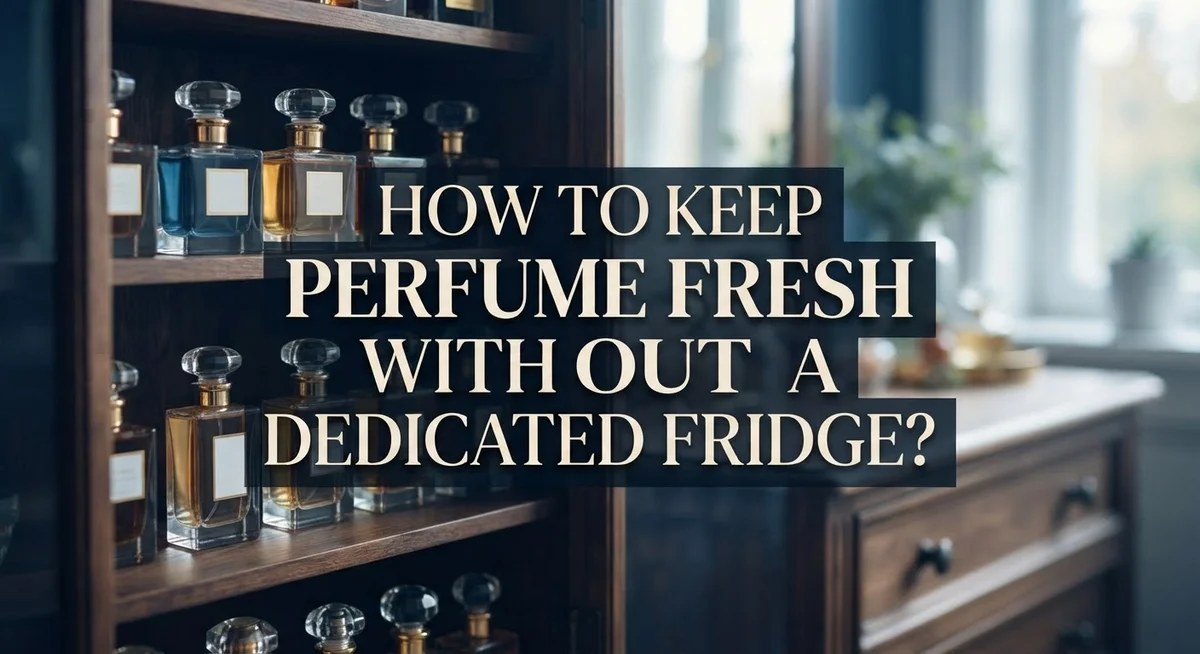
How to Keep Perfume Fresh Without a Dedicated Fridge?
Do you love your perfume collection but lack a special fridge for it? You are not alone.
Many people think a fragrance fridge is the only way to protect their scents. The good news is that this simply is not true.
Your perfume can stay fresh and last longer with a few simple habits. You just need to control temperature, light, and humidity in smart ways.
Heat and sunlight are the biggest enemies of any fragrance. They break down the delicate oils that make your perfume smell so good.
Humidity is another silent killer, especially in bathrooms. This is why your bathroom cabinet is actually a bad choice for storage.
In this article, we will show you easy ways to store perfume properly. You will learn the best temperature range for your bottles.
By the end, you will know exactly how to keep every bottle smelling amazing for years. No special fridge required.
In a Nutshell
Pick a cool spot. Keep your perfume between 59°F and 71°F for daily use. Cooler temps near 50°F work best for long term storage.
Choose darkness over light. Store bottles in a closet or cabinet. Sunlight breaks down the scent molecules fast.
Skip the bathroom. Humidity in bathrooms damages perfume quality. Moisture is just as harmful as heat.
Stick to original bottles. These containers are made to protect the juice inside. Switching to other containers can expose your scent to air and light.
Watch for humidity. Use a dehumidifier if your storage area feels damp. Dry air helps your perfume stay stable longer.
Keep conditions steady. Avoid moving your perfume between hot and cold spots. Consistent temperature is the real secret to long lasting fragrance.
Why Perfume Degrades Over Time
Perfume degrades over time because of four main enemies: heat, light, humidity, and temperature swings. Understanding why this happens helps you protect your collection.
Heat breaks down fragrance molecules. When perfume gets warm, the alcohol and aromatic compounds inside start to separate and evaporate faster. This changes the scent profile and makes your perfume smell different or weaker than it did when you first bought it.
Light causes oxidation. Ultraviolet rays damage the delicate ingredients in perfume. Even clear glass bottles allow light to pass through and harm the juice inside. Over time, exposed perfume may turn darker in color and lose its original scent strength.
Humidity introduces moisture. Water in the air mixes with perfume and dilutes it. This is especially true in bathrooms where steam from showers creates a wet environment. Your fragrance becomes less potent and may develop an off smell.
Temperature swings create stress. Moving your perfume from a cold closet to a hot bedroom and back again causes the liquid to expand and contract. This expansion can push the fragrance out through the cap or allow air to enter the bottle. Either way, your scent suffers.
The combination effect matters most. When heat, light, and humidity team up, degradation happens much faster. A bottle stored in a warm, humid bathroom near a window degrades in weeks. The same bottle in a cool, dark closet lasts for years.
Your perfume’s original bottle provides the best protection against all four enemies. The dark glass, tight seal, and design all work together to keep fragrance fresh. Knowing these degradation causes helps you choose the right storage spot and protect your investment.
Ideal Temperature and Environmental Conditions for Storage
Your perfume needs a cool, stable environment to stay fresh. The ideal temperature range is 59°F to 71°F for everyday storage. If you plan to keep bottles for many years, aim for 50°F to 60°F.
Temperature consistency matters more than you might think. Your fragrance breaks down faster when it moves between hot and cold spots. A closet or cabinet in a bedroom stays more stable than a kitchen shelf near the stove.
Find a dark storage space in your home. Direct sunlight and UV rays damage fragrance molecules quickly. A bedroom closet works perfectly because it blocks light and stays relatively cool. Avoid shelves near windows, even if sunlight hits them indirectly.
Humidity is a silent enemy of perfume quality. Bathrooms are the worst choice because steam and moisture damage your bottles. Kitchens also trap humidity from cooking. Instead, pick a dry area like a hallway closet or bedroom drawer.
If your climate feels damp, consider using a dehumidifier in your storage area. This removes excess moisture from the air and protects your collection. You do not need an expensive device. A small, affordable dehumidifier works well for a closet or cabinet.
Keep your perfume in its original bottle. These containers have special glass and caps designed to block light and prevent evaporation. Transfer bottles look nice but offer less protection.
Check your storage space regularly. Touch the walls to see if they feel cold and dry. If moisture appears or the area feels warm, move your bottles elsewhere. Consistency is key. Once you find the right spot, leave your perfume there and avoid moving it around.
By following these simple steps, your fragrances will stay fresh and smell exactly as intended for years to come.
Choosing the Best Spot in Your Home
Your home has several spots that work well for perfume storage. The key is finding a location that stays cool, dark, and dry throughout the year.
A bedroom closet is often your best choice. Interior closets don’t get direct sunlight and maintain steady temperatures better than other rooms. Make sure the closet isn’t near heating vents or air conditioning units, as these create temperature swings.
Under-bed storage boxes work nicely if you keep them in a bedroom rather than a living area. These spaces stay naturally cool and protected from light. Just avoid storing perfume under beds in rooms that get warm during the day.
A pantry or kitchen cabinet far from the stove is another solid option. These areas stay relatively cool and dark. Never store perfume near appliances that generate heat.
Linen closets are excellent choices too. They sit in interior walls, away from windows and external temperature changes. These closets rarely experience humidity spikes unless your home has moisture problems.
Avoid any spot near windows, exterior walls, or areas that receive afternoon sun. These locations heat up and expose your bottles to UV rays.
Think about your home’s humidity levels. If you live in a damp climate, pick a storage spot with good air circulation. A small fan running occasionally helps prevent moisture buildup in enclosed spaces.
Test your chosen location for a week. Check the temperature with a simple thermometer to confirm it stays within the ideal range. Feel the air to sense if it feels dry or damp.
Once you find your perfect spot, keep all your perfumes there consistently. Moving bottles between locations stresses the fragrance and causes degradation. Consistency is what keeps your scents fresh and potent over time.
Step-by-Step Guide to Setting Up a Perfume Storage Area
Start by selecting your storage container. A small cabinet, drawer, or closet works perfectly for holding your perfume collection. Make sure the container itself is clean and dry before you place any bottles inside.
Next, measure the temperature in your chosen location over several days. Use a simple thermometer to check morning, afternoon, and evening readings. You want a spot that stays between 59°F and 71°F without big swings between times of day.
Test the light levels in your storage area. Close the door or drawer and sit inside for a few minutes. If you can see your hand clearly without turning on a light, that spot gets too much natural light. You need a truly dark environment.
Check humidity levels if you live in a damp climate. You can buy an inexpensive humidity meter to measure moisture in the air. Your storage area should feel dry to the touch, not sticky or clammy.
Arrange your perfume bottles upright or on their sides, whichever fits your space better. Leave a small gap between bottles so air can flow around them. This prevents moisture from collecting in tight corners.
Add a small absorbent material like silica gel packets to your storage area if humidity feels high. These packets trap excess moisture without taking up much room. Replace them every few months or when they feel damp.
Keep a simple checklist of what you store and where. This helps you find bottles quickly without opening your storage area repeatedly. Every time you open the container, temperature and humidity levels shift slightly.
Finally, avoid storing anything else nearby that produces heat or moisture. Keep your perfume area separate from electronics, candles, or cleaning supplies. This isolation keeps your fragrances in the perfect stable environment they need.
Tips for Preserving Scent Quality Long-Term
Your perfume’s scent quality depends on how you protect it from environmental stress. Long-term preservation requires consistent attention to a few key factors that work together to keep fragrances stable.
The first step is understanding what degrades perfume over time. Oxygen exposure, temperature swings, and UV rays break down fragrance molecules slowly but steadily. You want to minimize all three simultaneously for the best results.
Store your bottles upright in a cool location where the temperature stays between 50°F and 60°F. This narrow range is ideal for long-term storage. Fluctuating temperatures cause the liquid inside to expand and contract, which weakens the seal and lets air seep in.
Keep your perfumes away from any heat source, including radiators, sunny windowsills, and kitchen appliances. Heat accelerates chemical breakdown faster than almost anything else. Even a few hours in a warm room can damage delicate top notes that make your fragrance special.
Darkness is equally important for preservation. Store bottles in opaque containers or in a closet where light cannot reach them. Clear glass bottles look nice on display, but they expose your perfume to harmful light rays that fade and alter the scent profile.
Check your storage area regularly for signs of moisture or temperature changes. If you notice condensation on bottles, move them to a drier location immediately. A small absorbent packet placed near your collection helps manage excess humidity without requiring special equipment.
Keep perfume in its original packaging whenever possible. Manufacturers design these bottles specifically to block light and air. Transferring fragrance to different containers increases exposure to oxygen and light, which shortens shelf life dramatically.
By maintaining consistent conditions and protecting your bottles from the main enemies of fragrance, you can keep your collection smelling fresh and true for several years.
Common Mistakes That Ruin Perfume Faster
Many people make simple errors that destroy their perfume’s quality without realizing it. Understanding these mistakes helps you avoid them and keep your scent fresh longer.
Storing perfume in the bathroom is the biggest culprit. Bathrooms have high humidity from showers and baths. This moisture breaks down the fragrance molecules and causes the scent to fade quickly. Even if your bathroom has a fan, the humidity still damages your perfume over time.
Placing bottles near heat sources ruins fragrance rapidly. Radiators, heating vents, and sunny windowsills create temperature spikes that degrade the scent. Your perfume needs consistent coolness, not fluctuating warmth. Even a few hours in direct sunlight can damage the fragrance compounds.
Using non-original containers is another common mistake. You might think transferring perfume to smaller bottles saves space, but it exposes the fragrance to more air. Oxygen breaks down scent molecules. Original bottles have protective caps and glass that blocks light effectively.
Leaving bottle caps loose or off allows evaporation. Your perfume becomes weaker as the alcohol and fragrance oils escape into the air. Always seal bottles tightly after each use.
Storing perfume in areas with temperature swings causes problems too. A shelf near an air conditioning vent or above a heater creates constant ups and downs. This thermal stress damages the fragrance structure.
Ignoring humidity levels in your storage space leads to faster deterioration. Moisture seeps into bottles and dilutes the scent. If you live in a humid climate, this becomes critical.
Storing perfume with other products that emit heat or odor can also harm it. Keep your fragrance collection isolated from candles, lotions, and electronics. These items create unwanted environmental stress.
By avoiding these mistakes, your perfume stays fresh and maintains its original quality for years.
Troubleshooting Signs of Perfume Spoilage
Perfume spoilage happens slowly, but you can spot the warning signs if you know what to look for. Color changes are often the first clue. Fresh perfume has a clear or slightly amber appearance. If your bottle shows a darker shade or cloudiness, oxidation has begun. This means oxygen has broken down the fragrance compounds.
Smell alterations tell you something is wrong too. Your perfume should smell exactly like it did when you first opened it. If the scent seems weaker, different, or off in any way, the fragrance has likely degraded. Sometimes it smells sour or vinegar-like, which means bacterial growth or chemical breakdown occurred.
Physical separation inside the bottle is another red flag. You might notice the liquid looks layered or separated, especially if you shake it gently. This suggests the fragrance components have broken down and are no longer properly mixed together.
Leaking or evaporation also signals trouble. If you notice less liquid in your bottle than before, evaporation has happened. This occurs when caps aren’t sealed tightly or when temperature fluctuations cause the liquid to expand and contract repeatedly.
Pay attention to how your perfume feels on your skin too. Poor longevity is a major sign of spoilage. If your perfume used to last 6 hours but now fades after 30 minutes, degradation has occurred. The fragrance molecules have broken down and lost their staying power.
Check your bottles every few months, especially if you store them in less than ideal conditions. Catching these signs early helps you use up your perfume before it becomes unusable. Trust your senses. If something seems off with color, smell, or performance, your perfume has likely started to spoil and should be used soon.
Final Thoughts
Keeping your perfume fresh does not need a dedicated fridge. Simple habits make a big difference over time.
A dark closet or cabinet works well for storage. Cool, stable temperatures protect your fragrance oils better than any fancy setup.
Consistency matters more than perfection. Your storage spot does not need to be complicated. It just needs to stay cool, dark, and dry every single day.
Think about the natural enemies of perfume. Heat, light, and humidity break down scent molecules fast. Avoid these three factors, and your perfume lasts much longer.
Your bathroom might seem convenient, but it is not friendly to fragrance. Steam and moisture from showers speed up spoilage. Choose a bedroom closet or dresser drawer instead.
Original bottles offer the best protection your perfume can get. Manufacturers design them to block light and limit air exposure. Never transfer your scent into other containers.
Small changes create lasting results. Close caps tightly after every use. Keep bottles upright instead of on their sides.
Check your storage space every few months. Look for temperature swings or rising humidity levels. Catching problems early saves your fragrance collection.
Remember that patience pays off with proper storage. Perfume does not spoil overnight, but neglect speeds up the process. A little care each day adds up.
You do not need special equipment to protect your scents. A thoughtful spot in your home works just fine. Dark, cool, and dry conditions are all you really need.
Your perfume collection deserves this small effort. With the right habits, your favorite scents stay vibrant for years. Simple storage choices protect your investment and keep every bottle smelling like the day you bought it.
Frequently Asked Questions
Can I store perfume in a regular bedroom closet?
Yes, a bedroom closet works great for perfume storage. Make sure the closet stays dark and away from windows. Keep perfume bottles on a shelf away from heat sources like radiators or vents. Bedroom closets tend to have more stable temperatures than bathrooms, which makes them ideal for fragrance.
Check that your closet doesn’t get too warm during the day. Air circulation should be minimal but present. Avoid closets near exterior walls in extreme climates, as they can experience temperature swings.
What temperature should I aim for when storing perfume?
The ideal range is 59°F to 71°F for everyday storage. For long-term preservation, keep it closer to 50°F to 60°F. Consistency matters more than hitting the exact number.
Avoid places where temperature fluctuates throughout the day. Basements and interior closets typically maintain steady temperatures better than other spots in your home.
How do I know if humidity is affecting my perfume?
High humidity can cause the fragrance to separate or change smell. You might notice the liquid looks cloudy or the scent smells different than before. If your storage area feels damp or sticky to the touch, humidity is too high.
Consider using a small dehumidifier if you live in a humid climate. Place it near your storage area to keep moisture levels down.
Should I keep perfume in its original bottle?
Always keep perfume in the original bottle. Original packaging provides the best protection against light and air exposure. The seal on factory bottles works better than alternatives.
Transfer only when you’re ready to use the fragrance. Moving perfume between containers increases exposure to oxygen and light, which speeds up deterioration.

Hi, I’m Lily! I started this blog to share honest reviews, real comparisons, and helpful guides so you can find your perfect scent without the guesswork. Welcome to my scented world!