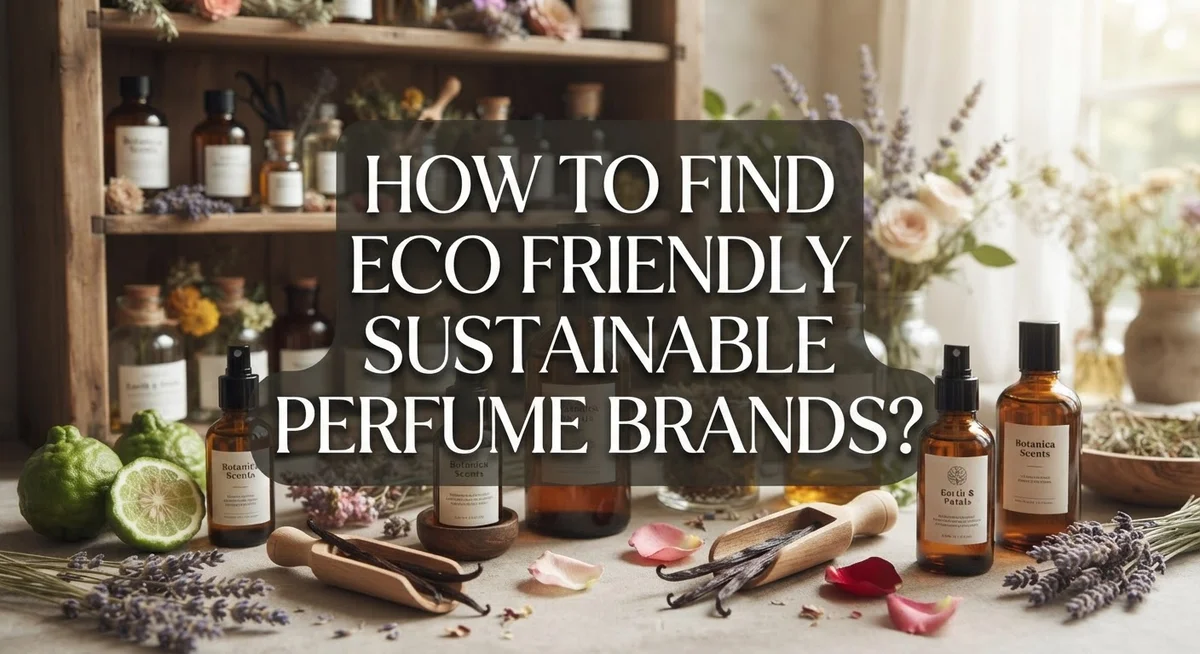
How to Find Eco Friendly Sustainable Perfume Brands?
Finding a perfume that smells amazing and feels good for the planet can seem tricky. Many brands use vague labels like “fragrance” or “parfum”. These words often hide synthetic chemicals you want to avoid.
The good news is that sustainable perfume shopping is easier than you think. You just need to know what to look for.
This guide will help you spot truly eco friendly perfume brands. We will cover the three pillars of sustainability: responsible ingredients, clean production, and eco packaging.
In a Nutshell
- Check the ingredient list. Look for transparent sourcing and avoid vague terms like “fragrance” or “parfum” without details.
- Look for real certifications. Vegan and cruelty-free labels matter more than fancy marketing words.
- Inspect the packaging. Choose brands that use recyclable or refillable bottles instead of excess plastic.
- Avoid harmful chemicals. Stay away from perfumes with phthalates, parabens, or synthetic dyes.
- Give indie brands a chance. Many small perfume makers focus on ethical production and offer refill programs.
- Verify before you trust. Do not accept sustainability claims at face value. Research the brand’s actual practices.
What Makes a Perfume Brand Truly Sustainable
A truly sustainable perfume brand rests on three main pillars. These are responsible ingredients, eco-conscious production methods, and planet-friendly packaging. When you understand these pillars, you can spot real sustainability from greenwashing.
Responsible ingredients mean the brand knows exactly where each component comes from. The company should be able to tell you about their raw materials. Are the flowers grown without harmful pesticides? Is the alcohol ethically sourced? Vague labels like “fragrance” or “parfum” hide the real story. Transparency is your best friend here.
Eco-conscious production goes beyond just mixing nice smells. It includes how the brand manufactures perfume, manages water usage, and handles waste. A sustainable brand tracks its carbon footprint and tries to reduce it. They also ensure workers are treated fairly throughout the supply chain.
Planet-friendly packaging protects your perfume while protecting Earth. Glass bottles are better than plastic. Refillable options reduce waste significantly. Sustainable brands use minimal packaging and choose recyclable materials. Some even use biodegradable shipping materials.
Look for real certifications like vegan or cruelty-free labels. These come from third-party organizations with actual standards. They are not just marketing claims the brand makes up.
Ask yourself these questions. Does the brand publish information about ingredient sourcing? Can you find details about their production facilities? Do they explain their packaging choices? A brand that answers these questions honestly is likely serious about sustainability.
Supply chain accountability matters too. Sustainable brands trace their ingredients from farm to bottle. They partner with suppliers who share their values. This prevents exploitation and ensures quality at every step.
The best sustainable perfume brands combine all three pillars. They do not pick just one and ignore the others. Real sustainability requires commitment across ingredients, production, and packaging.
Why Sustainable Fragrance Choices Matter
Your fragrance choices have real impact on the environment and your health. When you wear perfume, you’re not just applying a scent. You’re supporting the practices behind that bottle.
Conventional perfumes often contain chemicals that harm ecosystems. Phthalates make fragrances last longer but can disrupt hormones in humans and wildlife. Parabens preserve products but accumulate in water systems. Synthetic dyes add color but create pollution during manufacturing.
Sustainable perfume choices protect waterways. When you shower, fragrance chemicals wash down drains and reach rivers and oceans. Fish and aquatic plants absorb these substances. The damage spreads through food chains and eventually affects human health.
Choosing eco friendly options reduces your personal chemical exposure. Natural ingredients like essential oils and plant extracts work differently than synthetic chemicals. Your skin absorbs less harmful material. You avoid potential allergic reactions and hormone disruption that synthetic components can trigger.
Sustainable fragrance brands also support fair labor practices. Workers in traditional perfume factories often face poor conditions and low wages. Ethical brands ensure workers earn fair pay and work safely.
Your perfume purchase influences industry standards. When consumers demand sustainable options, more brands shift their practices. Demand drives innovation in cleaner production methods and safer ingredients.
Supporting sustainable perfume makers protects biodiversity too. Brands that source ingredients responsibly prevent overfarming and habitat destruction. They work with farmers who use soil friendly methods. This preserves ecosystems that produce the flowers, woods, and botanicals in your fragrance.
Every bottle you choose sends a message to the beauty industry. You’re voting for transparency, safety, and environmental care. Small choices add up when thousands of people make them together. Your fragrance becomes more than a personal choice. It becomes a statement about the world you want to live in.
Step-by-Step: How to Research and Vet a Perfume Brand
Start by visiting the brand’s website and reading their “About Us” page. Look for clear statements about where they source ingredients and how they make their perfumes. Transparency is your first clue. If a company hides this information, that’s a red flag.
Check what certifications they display. Real certifications come from independent organizations, not claims the brand makes about itself. Search for logos from recognized vegan or cruelty-free verifiers. These organizations actually audit companies.
Request their ingredient list in full. A trustworthy brand will provide this without hesitation. Read through and identify any vague terms like “fragrance blend” or “proprietary formula.” These phrases often hide ingredients companies don’t want to reveal.
Dig into their supply chain. Ask yourself: Do they name their ingredient suppliers? Can you trace where the rose oil or sandalwood comes from? Companies serious about sustainability answer these questions openly.
Look at customer reviews on independent sites, not just their own website. Real customers often mention whether packaging arrives in excessive plastic or whether refill options actually work well. Pay attention to what people say about scent quality too. Sustainability means nothing if the perfume doesn’t perform.
Check their packaging materials directly. Visit their FAQ or contact them via email. Ask if bottles are recyclable, compostable, or refillable. Note their response time and how detailed their answer is.
Finally, compare multiple brands side by side. Create a simple checklist: ingredient transparency, certifications, supply chain info, packaging options, and customer feedback. Score each brand. This method removes emotion from your decision and helps you spot which companies actually commit to sustainability versus those just marketing it.
Decoding Labels and Certifications
Reading perfume labels feels confusing at first. The good news is you can learn to spot the signs of genuine sustainability quickly.
Start by looking for certified labels on the packaging. Vegan certification means the brand uses zero animal-derived ingredients. Cruelty-free stamps tell you no animals suffered during testing or ingredient sourcing. These marks come from real organizations with strict standards, not just company claims.
Next, examine the ingredient list carefully. Real sustainable brands list every component by name. If you see the word “fragrance” or “parfum” without details, that’s a red flag. Manufacturers hide numerous chemicals behind these vague terms. You deserve to know exactly what touches your skin.
Check the certification sources themselves. Visit the certifying organization’s website to verify the brand actually holds that badge. Many greenwashing companies use fake or outdated certifications. Legitimate organizations maintain public databases of certified products.
Look at packaging materials on the label or brand website. Sustainable brands use glass, aluminum, or recycled plastic. They also mention refill programs or take-back schemes. These details show real commitment beyond marketing talk.
Pay attention to supply chain transparency. Ethical brands explain where ingredients come from. They mention fair trade practices or direct relationships with farmers. Vague sourcing information suggests the brand cuts corners.
Read independent customer reviews on third-party websites. Real users often spot greenwashing that marketing copy hides. They share experiences with packaging quality and actual ingredient performance.
Compare multiple brands side by side using this same approach. You’ll notice genuine sustainable brands consistently provide detailed information across all these areas. Those with incomplete or unclear labels deserve your skepticism.
This detective work takes minutes per brand. Once you understand what to look for, label reading becomes second nature. You’ll confidently identify perfumes that match your values.
Evaluating Packaging and Refill Practices
Packaging tells you a lot about a brand’s commitment to sustainability. Look at what material the bottle is made from. Glass bottles last longer than plastic and can be recycled indefinitely without losing quality. Aluminum is lightweight and recyclable too. Plastic bottles should be high quality and clearly marked with recycling codes.
Check if the packaging uses minimal materials. Some brands wrap perfumes in excessive cardboard or plastic inserts. Sustainable brands reduce this waste from the start. Read the label to see if packaging is recyclable, compostable, or made from recycled content.
Refill programs are a game changer for reducing waste. Many brands now offer refillable bottles or concentrate versions. You keep your original bottle and purchase refills instead of throwing away packaging each time. This cuts down on plastic and cardboard significantly.
Ask the brand directly about their refill system. Some offer mail back programs where you send empty bottles for recycling. Others let you visit stores to refill containers. Check their website for refill instructions and availability in your area.
Look for brands that use glass refill bottles instead of plastic ones. Glass protects fragrance quality and lasts for years. Some companies also offer solid perfumes in minimal packaging as an alternative to liquid fragrances.
Pay attention to label claims about recyclability. “Recyclable” means the material can be recycled, but recycling infrastructure varies by location. “Made from recycled materials” shows the brand already sources sustainable packaging. “Compostable” packaging breaks down naturally, though home composting isn’t always possible.
Research what happens after you recycle the bottle. Some brands partner with recycling facilities to ensure proper processing. Others provide information about local recycling options.
Compare packaging across brands you’re considering. A truly sustainable brand thinks about packaging as carefully as they consider ingredients. This shows genuine commitment to reducing environmental impact throughout their entire product lifecycle.
Ingredients to Watch For and Questions to Ask Brands
When you’re hunting for a truly sustainable perfume, the ingredients matter just as much as the brand’s promises. Start by asking brands one simple question: “Can you provide a complete ingredient list?” Vague labels that say “fragrance” or “parfum” hide the real chemicals inside. You want transparency, not mystery.
Look for specific things to avoid. Phthalates make scents last longer but harm your health and waterways. Parabens act as preservatives but raise safety concerns. Synthetic dyes add color but contribute nothing to the fragrance itself. Ask brands directly if their products contain these chemicals. A honest company will answer quickly.
Check for certified labels on the packaging. Vegan certification means no animal-derived ingredients. Cruelty-free verification proves the brand didn’t test on animals. These certifications come from third-party organizations, so they carry real weight.
Natural doesn’t always mean sustainable, so dig deeper. Ask where the brand sources its essential oils and botanical extracts. Do they work with fair-trade suppliers? Do they protect endangered plant species? A brand that cares will explain their sourcing story without hesitation.
Request information about their supply chain. Who grows the ingredients? How far do they travel? What labor practices do they follow? These details reveal whether a brand truly walks the sustainability walk.
Don’t skip the small print either. Read what the brand says about their production process. Do they use renewable energy? How much water does manufacturing require? What waste do they generate?
Email the brand if their website doesn’t answer your questions. Real sustainable companies respond to customer inquiries. Their willingness to engage tells you plenty about their commitment. Take your time comparing answers across different brands. This homework protects your wallet and the planet.
Common Mistakes to Avoid When Judging Sustainability Claims
Many people make simple mistakes when checking if a perfume brand is truly sustainable. Understanding these errors helps you spot real eco-friendly products from fake ones.
The biggest mistake is trusting pretty marketing language without proof. Brands often use words like “natural,” “green,” or “eco-friendly” without any certifications backing them up. These words sound good but mean nothing legally. Always ask for actual certificates from trusted organizations, not just brand promises.
Another common error is ignoring the word “fragrance” on ingredient lists. This single word hides up to 3,000 chemicals the brand doesn’t have to disclose. It’s a legal loophole that lets companies hide harmful substances like phthalates and synthetic dyes. Look for brands that list each fragrance component separately instead.
People often overlook packaging materials completely. A brand might use sustainable ingredients but ship products in plastic with non-recyclable coating. Check what the bottle and box are actually made from. Ask if they accept returns for recycling or offer refill programs.
Many shoppers trust one certification without checking others. A perfume might be cruelty-free but not vegan, or certified organic but not traceable. Each certification covers different areas. You need to verify multiple standards to get the full picture.
Don’t assume expensive brands are automatically more sustainable. Price doesn’t equal ethics. Similarly, don’t assume indie or small brands are always better just because they’re independent. Check their practices the same way you’d check larger companies.
Finally, avoid making quick decisions based on one source. Read reviews on independent websites, not just the brand’s own site. Visit their social media to see how they respond to sustainability questions. Contact them directly if information isn’t clear. This research takes time, but it reveals which brands genuinely care about the planet.
Final Thoughts
Finding truly eco friendly perfume brands takes patience and practice. You now know what to look for and what questions to ask.
Certifications matter, but they don’t tell the whole story. Combine them with research on ingredients and packaging for a complete picture.
Remember that transparency is the real signal of a sustainable brand. Companies proud of their practices will share details openly and answer your questions directly.
Watch for vague terms like “fragrance” or “natural” on labels. These words often hide information you need to make a good choice.
Indie perfume brands often lead the way in refillable packaging and ingredient honesty. Give smaller brands a fair look alongside bigger names.
Your checklist should include ingredient sourcing, packaging materials, and refill options. Check all three areas before you trust a brand’s sustainability claims.
Avoid rushing your decision based on marketing alone. Take time to verify claims through independent reviews and direct brand communication.
No brand is perfect yet. Even good brands may excel in one area while falling short in another.
Your goal is to find brands that align with your personal values. Some shoppers prioritize cruelty-free testing, while others focus on packaging waste.
Stay curious and keep asking questions. The sustainable beauty space grows every year, and brands are improving their practices in response to shopper demand.
Small steps make a difference. Every time you choose a more sustainable option, you support better practices in the fragrance industry.
Trust your research process over flashy marketing claims. Use the steps in this guide to make confident, informed choices for your next perfume purchase.
Sustainable shopping is a journey, not a single decision. Keep learning, keep asking, and your choices will keep getting better.
Frequently Asked Questions
What certifications should I look for on sustainable perfume labels?
Vegan and cruelty-free certifications are your best starting points. These labels verify that no animals were harmed during ingredient sourcing or product testing. Look for recognized third-party logos on packaging rather than brand-created claims.
Certifications confirm accountability. They show a brand submitted to independent review. Check if the certification organization has real standards, not just marketing promises.
Why does “fragrance” on an ingredient list matter?
The word “fragrance” is a legal loophole. Companies can hide multiple chemicals under this single term. This means harmful substances like phthalates might be present without being listed individually.
Always ask brands to disclose what’s inside their fragrance blend. Transparent companies will provide this information freely. Vague ingredient lists are a red flag.
Are indie perfume brands actually more sustainable?
Indie brands often excel at sustainability practices. Many offer refillable bottles and smaller batch production. They typically source ingredients more carefully since they control every step.
However, size doesn’t guarantee sustainability. Some indie brands lack proper certifications. Always verify their specific practices rather than assuming small equals green.
What chemicals should I actively avoid?
Focus on avoiding phthalates, parabens, and synthetic dyes. Phthalates disrupt hormones. Parabens accumulate in your body over time. Synthetic dyes often contain harmful pigments.
Request ingredient lists before purchasing. Read labels carefully. When in doubt, contact the brand directly and ask for clarification about their chemical content.

Hi, I’m Lily! I started this blog to share honest reviews, real comparisons, and helpful guides so you can find your perfect scent without the guesswork. Welcome to my scented world!